


How the role of creators has evolved in the fashion and beauty industries
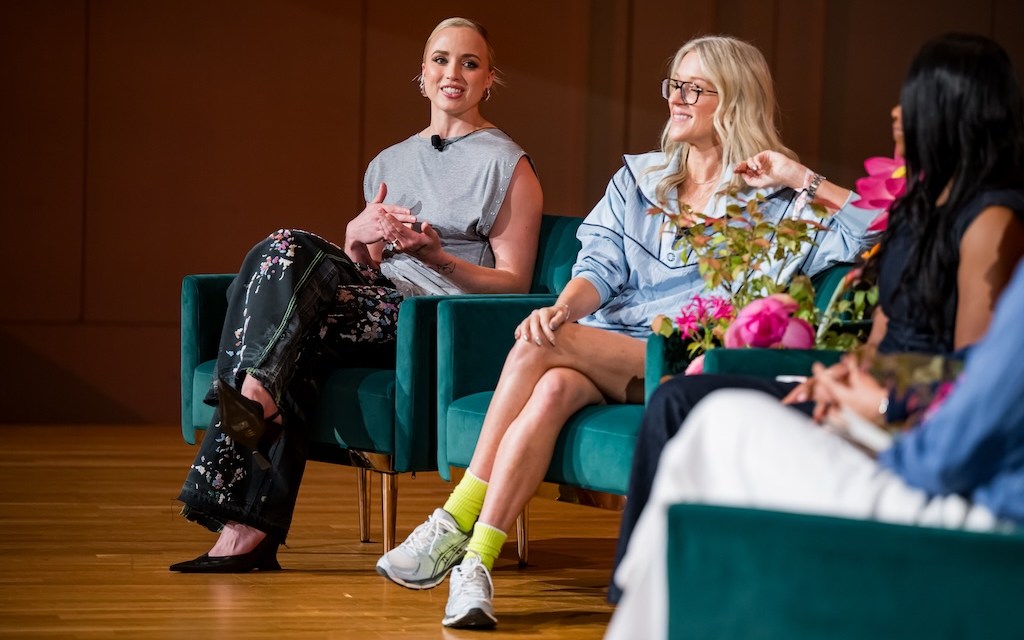
At Glossy Pop NYC earlier this month, creators and experts from across the fashion and beauty space gathered to discuss the role of influencers.
The event brought together brand executives, creators and fans to discuss the trends that are shaping the industry — from AI to digital marketing to product development. One emerging topic of conversation was the role content creators play in increasingly saturated industries and what it takes for influencers to stand out today.
A progression of what it means to be a creator
Naturally, as the creator economy matures, some creators’ relationships with brands have also evolved, especially those who have been making content online for years.
Creator Abby Baffoe, who began in 2019 with a focus on hair tutorials, said she has since expanded her content to be more focused on lifestyle. “Having a niche works for some people, but for me, it felt restricting,” she said. Still, Baffoe says she has maintained relationships with early brand partners like TRESemmé and L’Oreal as they still fit naturally into her day-to-day content.
As sports and marketing intersect, more athletes are parlaying their roles as brand ambassadors into creator careers. Brand marketers have become especially enamored with professional athletes as a way to tap into new audiences.
WNBA star Hailey Van Lith told the audience that when it comes to partnerships, she prefers to collaborate closely with brands on the product and marketing strategy. She explained that athletes have historically been viewed more as billboards rather than part of the creative process. “Some athletes love their sport so much, and the brand [partnership] side is kind of a supplement,” she said. “But for me, I like the experience of even [deciding] what the shoot is going to look like.”
Despite marketers constantly calling for authenticity, creators still have to adhere to strict ad reads when representing some brands.
Tessa Brooks, a creator, dancer and actress with over 25 million followers across Instagram and TikTok, said that working with high-end brands often means following specific content guidelines.
When doing a non-luxury brand campaign, Brooks said she focuses largely on posting content that could potentially bring virality. “But when it comes to high-fashion brands, it’s very different because they’re so specific about who they are and their image,” she said.
Knowledge and real-life skills reign supreme
For some industry figureheads, like fashion PR veteran Kelly Cutrone, the term “influencer” itself has become meaningless when it comes to true expertise or industry influence.
“For me, the word ‘influencer’ or ‘microinfluencer,’ it’s whatever,” Cutrone said. She went on to explain that, today, it’s easy to “go to Amazon and order a mic and get a cool background and have an opinion.”
Cutrone said the democratization of online platforms is also what’s creating confusion on what makes for an expert or even a fashion critic. “There is a difference between an opinion and experience,” she added.
Cutrone’s sentiment was echoed by other experts-turned-creators.
Mary Phillips, founder of makeup brand M.ph by Mary Phillips, said that her skills and decades-long career as a makeup artist helped lend credibility when courting retailers.
“When we pitched our idea to Sephora before having any products, they said, ‘Great, we want it,’” Phillips said. “They’re [Sephora] a great partner because they want what you do and what you know.”
Cutrone said that for those interested in working in the fashion and beauty industry — and not just creating content about it — it’s important to understand that this is a lifestyle.
“As crazy as this industry is, it’s given me everything,” she said.