


Here comes the brand: Inside the business of influencer weddings
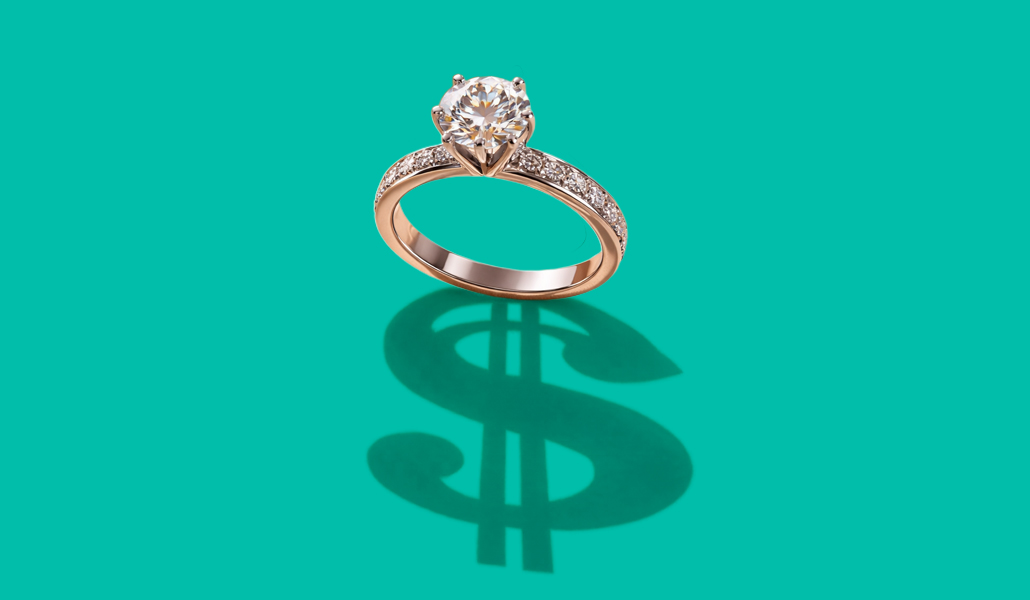
A wedding used to be about the dress, the cake and maybe an open bar. Now it might also include a sponsored skin-care routine, gifted florals and a TikTok-ready jewelry partnership.
For brands, influencer weddings are becoming lucrative marketing opportunities and a chance to tap into some of social media’s most highly engaged content.
As creators document everything from engagement parties and dress fittings to bridal facials and honeymoon planning, brands across fashion, beauty, jewelry and hospitality are increasingly partnering with influencers on their weddings. The result is a new category of influencer marketing where weddings become months-long content campaigns that can generate dozens of videos and reach millions of highly engaged viewers.
Nadya Okamoto is among the creators turning the wedding planning process into content. Okamoto, the founder of period-care brand August, has nearly 4.5 million followers on TikTok and is getting married this summer in New Paltz, New York, at a wedding expected to host more than 160 guests. Along the way, she has partnered with brands including Poppy Flowers, Glowbar, Brilliant Earth and Minted.
“It’s a huge content moment,” Okamoto said in an interview. “Because influencers are posting so much about it, it has become a really big industry.”
For brands, wedding content is valuable because of how emotionally invested audiences become in the process. Unlike a single sponsored Instagram post for a beauty product or handbag, wedding content unfolds over months, sometimes years, and spans dozens of videos documenting dress fittings, engagement parties and pre-wedding beauty routines. Okamoto’s own bridal content has already stretched across more than 130 videos showcasing everything from ring shopping and wedding planning to skin-care appointments and floral consultations.
Wedding partnerships are effective marketing for brands because people take wedding recommendations seriously. Seeing a creator trust a florist, skin-care company or jeweler with their wedding can carry more weight than a typical sponsored post.
“You wouldn’t use something in your wedding that you didn’t recommend,” said Jenny Merrill, chief revenue officer at Poppy, an online wedding florist. “It’s such a big decision for people.”
Poppy began leaning more heavily into influencer weddings last year after noticing a surge in bridal creator content online. The company now fields multiple influencer requests each week and executes several creator partnerships every month, according to Merrill. Poppy has also broadened its wedding-related partnerships to include engagement parties and bridal showers.
“We started with more micro-influencers,” she said, referring to creators with smaller follower counts, usually less than 10,000. “Then, as that became more popular, we got inbound requests from bigger influencers.”
In addition to Okamoto, Poppy has also partnered with Halley Kate, another prominent creator with 1.6 million TikTok followers. Poppy worked with Kate on florals for her engagement party, and when the posts went live, the company saw organic social traffic spike nearly 50% over the following two days compared to its pre-event baseline, Merrill said.
Poppy’s influencer wedding partnerships make particular sense because the company operates nationally, unlike many traditional florists that serve a single city or region. That allows Poppy to work with creators whose audiences are spread across the country rather than concentrated in one local market, Merrill said. Weddings also naturally lend themselves to influencer marketing because brides often follow and engage with other brides planning weddings around the same time.
“I think brides who are getting married around the same time naturally gravitate toward each other,” Merrill said. “They talk about each other on their stories, and we see natural engagement between people who are engaged.”
The rise of influencer wedding partnerships is part of a broader trend of brands inserting themselves into weddings more generally. In recent years, companies including Hellmann’s, Taco Bell and Whataburger have sponsored weddings and wedding-related events as brands look for ways to connect themselves to major life moments.
Consumer attitudes appear to be shifting, too. According to an October survey of 2,000 U.S. adults, 61% of respondents who were married or considering marriage said they would be open to brand sponsorships if it helped lower wedding costs. The average cost of a wedding in the U.S. is approximately $36,000.
For creators, the sponsored weddings can range from straightforward barter arrangements to more traditional sponsored content deals. Some brands provide free or discounted services in exchange for posts, while others structure partnerships similarly to standard influencer campaigns with deliverables tied to specific pieces of content.
At skinca-re company Glowbar, founder Rachel Liverman said the company rarely pays creators directly and instead typically provides complimentary facials and skin-care treatments tied to wedding prep content. Similarly, Poppy Flowers partners with creators on florals for weddings, engagement parties and bridal showers, often in exchange for posts documenting the planning process and final event.
Okamoto said the partnerships emerged naturally once she got engaged and began sharing the process online. “Once you step into a career as a content creator, especially in the lifestyle space, every element of life becomes partnerable,” she said. “It’s not the main part of my content at all. It’s a vertical at the moment.”
Beauty brands are also leaning into the category as weddings become increasingly tied to wellness and self-care routines. At Glowbar, Liverman said brides have long been an important customer segment because many people only begin prioritizing skin care ahead of major life events like weddings.
Glowbar has worked with roughly 20 influencers on wedding-related content over the past several years, according to Liverman, and hopes to eventually scale that up to about 100 partnerships annually. Many of those relationships started organically through existing customers. Okamoto, for example, was already a Glowbar member before the company began collaborating with her around wedding prep content.
“The best influencer relationships are the ones that start organically,” Liverman said. “You can tell when an influencer gets something gifted that they don’t really have a passion for.”
For influencer content that “hits the right way,” Glowbar has seen “an uptick in everything,” Liverman said, including social traffic, in-person foot traffic and bookings. She added that influencer-driven content has a conversion rate “almost double that of Google.”
Liverman said wedding partnerships are attractive because creators getting married tend to attract followers who are also preparing for weddings and looking for beauty and skin-care recommendations.
“Influencers who are getting married attract a lot of people that are also getting married, and they’re our prime customers,” she said. “So the cost per acquisition is a lot lower than it would be on a different demographic.”
At David’s Bridal, executives said the company receives hundreds of requests each week from creators seeking collaborations around weddings, bridesmaid content and other formal events. The retailer has partnered with influencers on everything from bridesmaid gifts to rehearsal dinner looks and wedding-related content campaigns.
“We never want a viewer to watch that content and go, ‘Oh, they only partnered with David’s for the money,’” said Lisa Horton, chief communications and creative officer at David’s Bridal. “We want it to feel like an authentic partnership for our brand and for that influencer.”
Influencer and creator marketing has become a growing piece of David’s broader marketing strategy. The company reallocated about 35% of its traditional editorial marketing budget into social-first creator content after seeing stronger performance from lo-fi videos on TikTok and Instagram.
Even smaller wedding-adjacent moments are becoming big opportunities for brands. Last month, beauty tech startup Swan Beauty sponsored influencer Brigette Pheloung’s luxury bachelorette trip to St. Barth’s as part of a campaign for its $795 AI-powered mirror. The campaign drove a more than 3,800% increase in the brand’s social impressions and a 520% jump in website traffic week over week, according to Glossy.
Poppy Flowers has increasingly partnered with creators on engagement parties and bridal showers, not just wedding ceremonies themselves. Merrill said those events can sometimes perform even better because there are fewer competing visual elements fighting for attention.
“When someone posts their wedding, people are looking at the dress, the hair, the venue, the bridesmaids,” Merrill said. “There’s just so much eye candy.”