


Candy brand Behave bet everything on TikTok Shop, went viral and secured a Target launch
In the summer of 2024, the candy brand Behave was on the brink of bankruptcy due to cash flow strains. The company, founded in 2020, is known for its low-sugar and clean-ingredient gummy candies that are safe for diabetics.
That’s when Behave’s founders decided to bet everything on TikTok Shop. “We had about 60 days of cash left at the end of that summer,” Behave founder Mayssa Chehata told Modern Retail. “And we decided that the only thing that could turn the business around in 60 days was TikTok.”
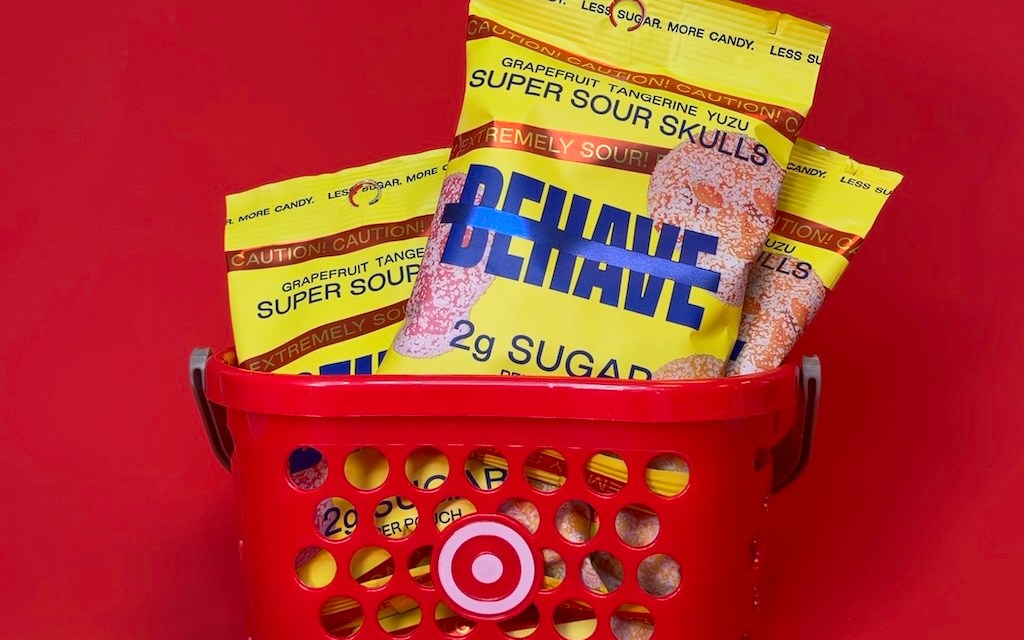
Fast forward to 2026, and on April 12, Behave began rolling out in almost 2,000 Target stores nationwide thanks to TikTok virality. The turning point came with the launch of Behave’s Super Sour Skulls on TikTok Shop last spring, which sold out in three days and caught the attention of a Target buyer. As part of the launch, the brand is now bringing back the Super Sour Skulls as an exclusive SKU at Target.
Going viral on TikTok Shop involves some luck but also a lot of experimentation. “It is a numbers game of testing enough things to then land on what works,” Chehata said. For those first 60 days, Chehata cleared her calendar to focus strictly on making TikTok videos. “I was pushing four or five videos a day, but it actually took about two weeks to get that first viral video.”
Some of the early viral posts were Chehata’s own founder story about starting a diabetic-friendly candy brand, inspired by her dad’s health issues. Another breakout hit was a behind-the-scenes video of Behave’s gummy factory production. “That first viral TikTok video literally saved the business,” she said. “We did as many sales off of that video as we had done in the previous month.” Soon after, Chehata said, Behave began generating six-figure monthly revenue from TikTok Shop.
By spring of 2025, Chehata finally got a reply from Target’s candy buyer to her previous cold emails, who loved the product and wanted to bring it to shelves.
Chehata said that the TikTok Shop-to-Target trajectory not only provided a lifeline for the business, but it also taught the brand a lot about its customers. Up until now, Behave has been sold primarily at regional and specialty retailers like Erewhon, with its biggest chain partner being Urban Outfitters and airport chain WH Smith. That has made customer data-gathering limited in scope.
“In the first year, I read and replied to every single comment, about 10,000-plus comments,” Chehata said. That feedback has informed how Behave develops and markets products. For example, the Super Sour Skulls packaging was redesigned with the addition of warning tape to differentiate it from Behave’s non-sour SKUs.
Because Behave has only been sold in select physical stores nationally, its TikTok Shop and DTC channels were its main sales converters. Chehata said with Behave’s retail footprint having grown by thousands of locations, TikTok Shop will also act as a marketing channel to push customers to retailers like Target.
In the lead-up to the Target launch, Behave has been using TikTok and Instagram to hype customers up about the brand finally being available nationally.
Chehata said it used to be that brands made one big announcement on launch day, with a traditional press rollout. But retailers now expect brands to turn a retail debut into an event that drives customers to stores in week one. “So [we] hammered home that ‘April 12’ date every single day in every video,” she said.
This month, Behave also closed a seed round to help fund its next expansion phase. Chehata said the round’s participants include celebrity and athlete investors like actress Busy Philipps, NBA All-Star Norman Powell and Canadian soccer player Kai Novak.
Marketers expect more brands to land retail deals through TikTok Shop virality and success, as the real-time metrics have become a proving ground for customer demand.
Lily Comba, founder and CEO of creator marketing agency Superbloom, said the biggest advantage of TikTok Shop right now is how much it compresses the customer acquisition funnel. “Brands can see such explosive sales on the platform as discovery and validation,” she said, which ultimately leads to the purchase happening in one place.
With that, Comba said TikTok Shop’s challenges can be just as significant as those on other digital platforms. “TikTok Shop is often misunderstood as influencer marketing, but it is much closer to a modern QVC model combined with affiliate-driven economics,” she said. “It is also highly algorithm-dependent in a way that is difficult to control.”
Standing out is not so much about brand building or long-term creator relationships, but rather relies on a combination of speed, volume, constant trend participation and aggressive discounting. In that sense, Comba said, “the platform fundamentally rewards transactions over relationships.”
While TikTok Shop can be a vital channel for food and beverage brands, Chehata said it indeed takes stamina to keep up with it daily. “The biggest challenge is reorienting yourself as a founder to be on camera every day,” she said. “I was already doing videos on my page, which helped.”
But it’s understandable why some founders don’t want to feel trapped as a creator and face of their brand, said Chehata.
“Authenticity is such a buzzword at this point, but people can feel your energy on camera and can tell if you’re miserable underneath,” Chehata said. “Luckily for me, I enjoy it.”