


18 months, 31 prototypes and 1,700 hours of wear testing: How Knix brought its seamless cotton underwear to the market
Below is the latest edition of Modern Retail’s Supply Chain Weekly newsletter, which goes out on Mondays at 10 a.m. ET, and dives into all things logistics and supply chain during a tumultuous time for the retail industry. To receive this weekly in your inbox, click here.
As the vice president of design for Knix, Jules Power deals with some of the most intimate products on the market: underwear, bras and swimwear.
One of the big challenges with intimates, she said, is designing something that feels good all day long.
“When you have a bad pair of underwear on, you know it, and you feel it,” she said. Knix got its start in 2012 with leak-proof underwear, and, as she explained, “Knix’s DNA is really around this feeling of seamlessness, close to body, [feeling] invisible under clothes.”
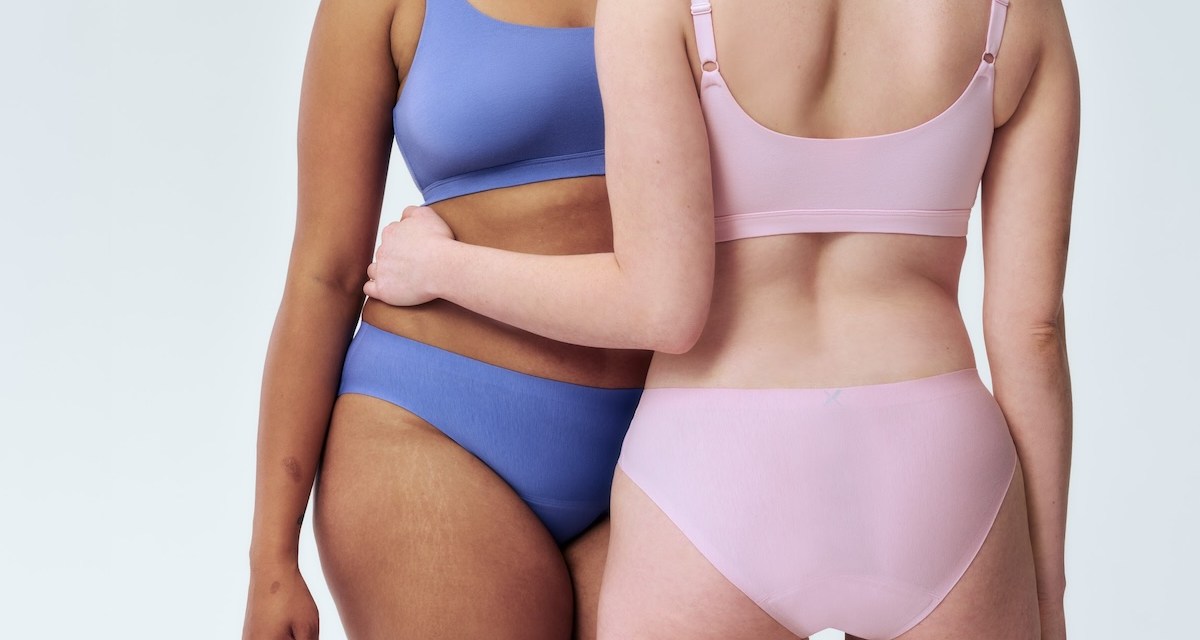
That proved especially challenging with Knix’s newest product launch: a line of seamless cotton underwear called Invisible Cotton, released last week.
Developing a line of seamless cotton underwear had been something of an obsession for Power and her team for a few years. Most of Knix’s products are made using bonding, which is basically a heat seal used to join different layers of fabric together, replacing the traditional method of sewing material together.
“The benefit of that is that you don’t get any chafing on your skin — the seams are completely flat,” she explained.
But with cotton, bonding historically hasn’t been an option. “You can’t really apply high temperatures to it” in the same way you can with elastic fiber blends like polyester or spandex.
Knix also had to figure out how to integrate its leak-proof material into the product, “so there were a lot of moving parts to it,” Power said.
All in all, it took about 18 months and 31 prototypes to develop the seamless cotton underwear. In early trials, the product would burn after being placed on the bonding machine. In other instances, the product initially would look fine after being bonded, and then Power and her team would discover tiny holes in the fabric.
Ultimately, what it took to create seamless cotton underwear was creating a proprietary fabric. Knix used combed cotton fiber, essentially meaning it has been combed out to remove shorter fibers, making it softer and stronger. From there, Knix played around with “how it was knit [and] how fine the gauge is,” until it found a product that could stand up to seamless.
From there, Knix moved into the wear-testing stage. Wear testers would come to Knix’s office to try on the product so the team could see how it looked on them.
“They got to take it home, they got to wear it, wash it, and we ask them to fill out a Google form, and they gave us all their feedback,” Power said. “What would they change about it? What do they love about it? What do they hate about it?”
For the seamless cotton underwear line, Knix gave the product to 43 wear testers, who collectively tested the product over 1,700 hours.
When Power joined Knix nine years ago, the company had only five underwear silhouettes. Since then, the company has expanded into all sorts of innerwear. Also this month, the company launched a “Don’t Sweat It” baselayer tee designed to be worn under shirts to keep sweat from hitting blouses, sweaters and dresses. But there’s one consistent throughline connecting all of these product innovations.
“For us, it’s about making something that someone will put on and can wear it for an entire day,” Power said.
This week in tariffs
- Costco disclosed during its fourth-quarter earnings call on Thursday that it received about $184 million in tariff refunds during the period, though that’s only about one-third of what the company expects to receive overall. Executives said they had invested some of that money into price reductions.
- U.S. Trade Representative Jamieson Greer said the White House would release more details on Monday about a U.S-China trade framework after President Donald Trump and Chinese President Xi Jinping met last week.
What we’ve covered
This time of year, you’ll find shelves filled to the brim with pumpkin products. In 15,000 grocery stores, one of those products will be a “Pumpkin Spice Madness” bagel from Dave’s Killer Bread.
But this is the first time those bagels have been on grocery store shelves in roughly seven years. If pumpkin products are such a hit, why did it take so long for Dave’s Killer Bread to bring them back?
The answer is partially a supply chain story, Gabriela Barkho reports. In the bread category, there isn’t as much space on shelves dedicated to seasonal products as, say, the candy aisle. So, if Dave’s Killer Bread wanted to bring back its Pumpkin Spice Madness bages, it had to come up with other seasonal products that could fill those shelves during other months of the year.
Costco’s digital sales hit $33 billion in 2026, growing more than 20%
Costco is known for its giant club warehouses, where you can buy everything from TVs to clothes to bulk groceries in one trip. But increasingly, you don’t have to visit Costco in person to get what you want.
The company disclosed during its fiscal fourth-quarter earnings report on Thursday that digital sales hit $33 billion in 2026, growing more than 20% year over year. Delivery platforms will be key to Costco’s digital growth this year. In September, Costco announced nationwide delivery partnerships with Uber Eats and DoorDash — shoppers just have to enter their Costco membership at checkout. Costco has also had a delivery partnership with Instacart for nearly a decade.
Costco CEO Ron Vachris said during the earnings call that these partnerships are key to attracting newer, younger customers.