


Nike alumni, now at Superfeet, want their insoles in ‘every shoe in the world’
Insoles brand Superfeet has become well-known among runners and joggers looking to alleviate foot pain. Now, as the company nears its 50th birthday, it’s looking to make strides with the next generation of athletes in a quest to grow its business.
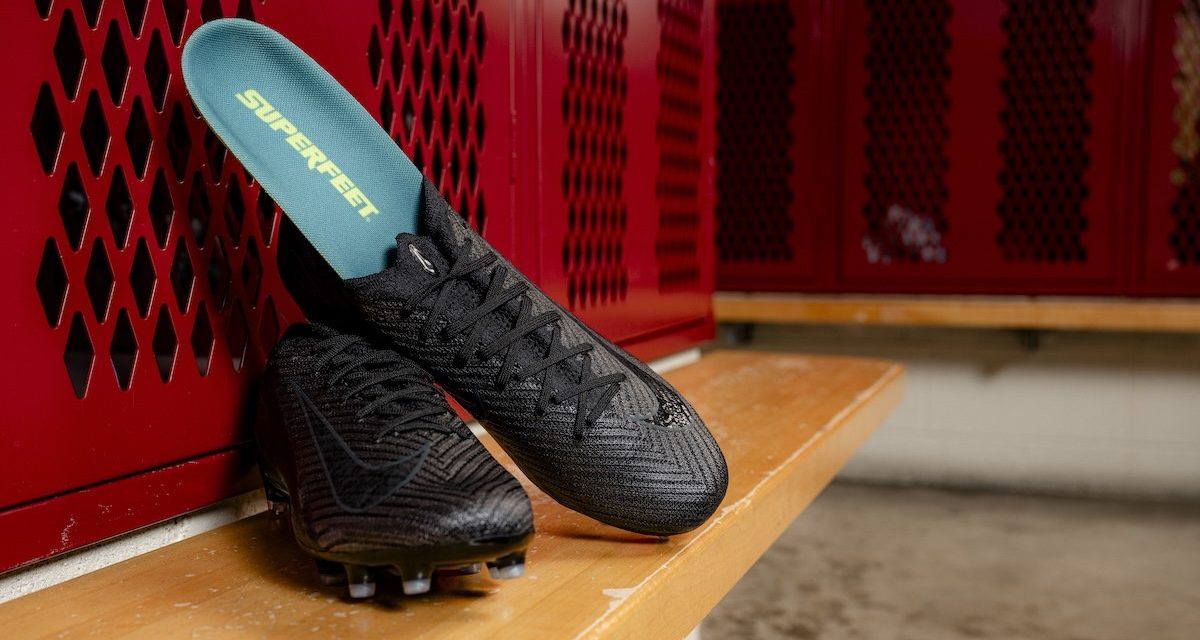
In a process it kicked off a few years ago, Superfeet is now developing insoles for more sports, including soccer, volleyball, basketball and football. At the same time, it’s working to recruit more social media creators (especially on channels like Instagram and TikTok) and ink deals with high school and college athletes. Last year, as part of a broader brand refresh, Superfeet also changed its logo and updated its e-commerce site to try and keep up in the crowded insoles market.
Superfeet started its business in 1977, out of a sports science lab. The company makes custom insoles specific to activities like hiking and walking and is popular with people looking for pain relief. While the company maintains it’s always been focused on all athletes, “I would say the bulk of consumers today know us as a running brand,” CEO Trip Randall told Modern Retail.
Now, it wants to grow beyond this niche, executives said. The brand is now actively updating its marketing to resonate with more shoppers — a newer direction under CMO Mike Donnelly, a Nike alumnus who assumed his current position in April.
“There’s a health and wellness boom happening right now, and people want to live longer and live better,” Donnelly said in an interview. “We believe we sit right within that space, and we want to be more proactive.”
Donnelly joined Superfeet in 2024 after a nearly 23-year career at Nike. Randall, who became Superfeet’s CEO in 2023, also spent more than 20 years at Nike. “I might have been excited when I had an opportunity to pull Mike over to Superfeet,” Randall said, laughing. Together, the two executives are trying to chart a new course for Superfeet — one that involves more explicitly championing the insoles’ technology, science and benefits. Superfeet also applies the innovations it develops for athletes across its line to “make products better” for all consumers, Randall said.
Still, there can be a slight barrier to entry for insoles, the brand acknowledged. Getting started with insoles “could be a little intimidating for a consumer,” Randall said. But, he added, “It’s not just something you might need for some type of affliction. It can help anybody to help prevent injury, but also drive performance.”
Donnelly added, “We serve a lot of consumers that come here for pain relief — they have issues with their feet, and they come here for solutions, and we absolutely want to serve them with those. But, as we want to serve more athletes and actually be a performance advantage for them, we want to make sure that we’re … sharing that [mission] a lot more, to get more awareness to a younger demographic.”
Superfeet believes that focusing on more sports and working more closely with athletes — both emerging ones and professional ones — will be key to championing the effectiveness of its products. Superfeet already partners with Olympic track-and-field athletes Colleen Quigley and Sanya Richards-Ross, but it’s now hoping to work with more talent in the soccer and basketball space, too. Creators are also on the brand’s radar. “How do we make sure we put the product and the brand in their hands so they can be advocates?” Donnelly asked.
Beyond this, Superfeet is looking to play more in the NIL space, as well as in high-school sports. In March, it sponsored Stumptown Running, a premier high school distance program associated with Jesuit High School in Oregon. The high schoolers tested out Superfeet’s Run Pacer Elite insoles and SuperRev foam and taped video content with the brand. Members of the program also curated a special running playlist for Superfeet.
The partnership with Jesuit High School “started cascading to other athletes [and] other schools,” Donnelly said. Other teams started asking, “What is Superfeet?” and “How does it help you run?”
“You could start to see that little fire starting,” Donnelly added. “So, we’d like to do more of that, going forward.”
Companies that make insoles are enjoying recent growth, thanks to a larger, pandemic-inspired emphasis on comfort. Last year, Coats Group completed a $770 million deal to acquire premium insole maker OrthoLite.
Today, there are many players in the insoles space, including Dr. Scholl’s and Fulton. Aetrex, which uses AI foot-scanning technology to personalize insoles, now has a presence at more than 100 global retail companies, including Asics, Puma and DSW. Superfeet, for its part, says its e-commerce business is enjoying “mid-double-digit growth.” The brand is also available via Fleet Feet, Heartbreak Hill Running Company and CT Run Co.
Indeed, many insole sales currently come from specialty and independent retailers, said Beth Goldstein, a footwear and accessories analyst at Circana. “The trick will be to make them more widely available in some of the larger channels where footwear is sold, … and also to make [them] more easily self-serve,” she said. “It’s not a category that consumers are used to purchasing by themselves.”
Superfeet — which is looking to grow its wholesale partnerships, as well as its direct-to-consumer business — is hoping to get through to more of these shoppers. It’s already asking its field experience team to make social media videos, since these employees talk to consumers every day. And, it sees a “growing space” in making insoles for construction workers and people who are on their feet all day, Randall said.
“We have a bold vision that every shoe in the world should be powered by Superfeet,” Randall added. “No two feet on this [interview] call are the same, including my own two feet, and we believe that humans are better off with that shape and that foundation and the support [of our insole].”