


Fashion and beauty brands are expanding their partnerships with female college athletes
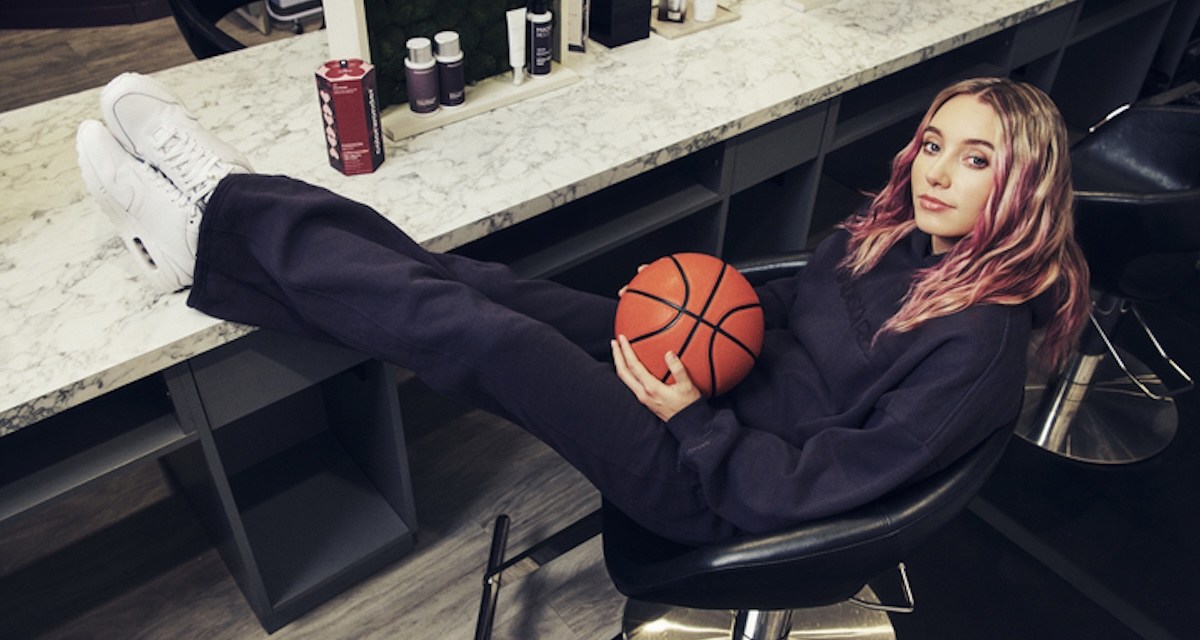
In 2026, the trend of beauty and lifestyle brands partnering with female athletes is poised to trickle down even further to the college level, where the scope of deals and ad partnerships is still evolving.
The hair-color brand and salon network Madison Reed, for instance, began working with the University of Connecticut in 2024 and offers cash and stock to female athletes on its “Team Color Wonder.” And last fall, jewelry company Gorjana announced a multi-year partnership with the Arizona State University Sun Devil Athletics.
“We know that the intersection of sport and style is at an all-time high, and female athletes are really being recognized for their influence in and out of uniform,” said Jennifer Darrow, director of marketing at Gorjana.
Nearly five years after brands got the green light to work with college athletes due to changes in name, image and likeness (NIL) rules, more brands are officially expanding their partnership with NCAA athletes. The space saw over 8,300 deals totaling $80 million as of September 2025, according to the College Sports Commission, which oversees the space. Two months later, there were 12,175 clear deals worth over $87 million.
But it’s not just sports-oriented brands, like the footwear or protein powder brands of the world, fueling this growth. Many beauty, fashion, and personal care brands are looking to work with female athletes and even whole departments, just as many others in the category, like Urban Decay, have done with pro women’s sports.
For brands, the playbook for succeeding in the nascent space is still evolving. But it tends to look like more than just one-off social media spots.
Momo Messerschmidt, a marketing and talent associate at The Influencer Marketing Factory, said some of the most successful athlete-brand partnerships are those that show up everywhere the athlete does — including offline. A recent University of Southern California graduate who attended many women’s sports games, Messerschmidt said she was impressed by a campaign by NYX Cosmetics featuring basketball star JuJu Watkins and placing ads throughout the campus-area Target. Watkins also did an event with Nike that included shoe giveaways.
“The more that brands do experiential marketing with athletes and host brand activations, the more they can tailor those experiences to students,” Messerschmidt said.
At Gorjana, Darrow said the hope is that the brand can “go beyond having our name on a screen” and come up with new ways to support student-athletes at key events on their calendar. The Gorjana Sports Club launched in August 2025 to showcase its athlete relationships across all levels. Partnerships include social posts, plus in-person events, shopping trips, photo shoots and campaign marketing.
But Darrow said the brand plans to focus on more organic and lifestyle content, and go beyond basic affiliate marketing and discount codes. “We see this as a values play, where we are invested in the relationship and invested in the longevity.”
At the start, Darrow said one of the most important facets of its deals is making sure that the athletes are already fans of the brand. “We are entering into relationships where the athletes have a genuine affinity with the brand; they were wearing Gorjana jewelry far before we entered into a contract with them,” she said. From there, Gorjana manages athlete relationships in-house and through the athletes’ agents.
Gorjana’s current deals include individual partnerships at the pro and college level, like with UCLA basketball sister duo Lauren and Sienna Betts. The ASU partnership that started in September extends to more than 300 female student-athletes and Spirit Squad members, and is just starting to yield content — like from cross-country team member Mia Chavez, doing some holiday shopping at a Gorjana store.
“We’re in a really exciting position where the sky’s the limit with what we can do and who we can partner with and how we can continue to grow our investment here,” Darrow said. “It isn’t a singular campaign. It’s something that we’re going to continue to grow year over year and ingrain in the fabric of our DNA.”
Amy Errett, founder and CEO of the hair-dye brand Madison Reed said the UConn athletes involved in “TeamColor Wonder” receive deals that include cash, equity stakes in Madison Reed, the possibility to franchise a Madison Reed Hair Color Bar in the future and for-credit internship opportunities. UConn basketball player Azzi Fudd, for example, is finishing up her MBA with a for-credit internship at Madison Reed.
“We’re really involved with mentoring them, teaching them what it’s like to run a business and teaching them what it’s like to be a leader — not just on the basketball court, but in life,” Errett said.
Highlights from 2025 included a limited-edition beige blonde hair-color offering inspired by former player Paige Bueckers, and the addition of UConn basketball player Sarah Strong and her mother, Allison Feaster, who is a WNBA alum and the Boston Celtics’ vp of operations and organizational growth. That was believed to be the first mother-daughter NIL deal in the space, Errett said.
Errett also credits the success of the campaigns to working closely with the university and athletes’ families to ensure everyone is on board. In the case of UConn, Madison Reed has also invested in court sponsorships and ad content across stadiums. And in every single case of offering a brand deal, Errett personally spoke to the athletes’ parents.
Looking ahead, Errett said she’s interested in partnering with other schools or departments this year. But all deal recipients will have one major stipulation: They must actually use Madison Reed hair color.
“Our job at the brand is to showcase influencers of all different types, body types, diversity and age groups,” she said. “If you look at our advertising, we’re not advertising with one look and feel of a person, and this brand has always stood for reality.”
Messerschmidt said brands are wise to focus on athletes who aren’t necessarily the biggest stars with millions of followers but are instead micro-influencers who generally love the brand. This helps ensure an authentic fit that leads to closer, long-term relationships, enabling the athlete to better represent the brand. For instance, an athlete who partners with a footwear brand could show their followers how the product holds up over time.
She also said the best relationships allow the athlete to help determine what may work at their particular school. “They know their audience best and are engaging with them constantly through social posts, games, classes and everywhere else,” she said. “So they’re getting real-time feedback, and that’s really important for the storytelling aspect of influencer marketing.”
If it’s a fit, the partnership can extend past graduation, Messerschmidt said. Madison Reed, for instance, still works with Bueckers, who is in the WNBA with the Dallas Wings.
“An athlete’s experience doesn’t just end at the end college, and neither does their sphere of influence,” she said. “Once they graduate, they go pro or get into coaching or a professional career. But with social media, fans can still follow that journey and brands can still work with them. They still have a fandom.”