


Heineken shares its marketing strategy for the summer of soccer as World Cup hype ramps up
Heineken USA is pouring more marketing dollars into soccer this year ahead of the 2026 FIFA World Cup.
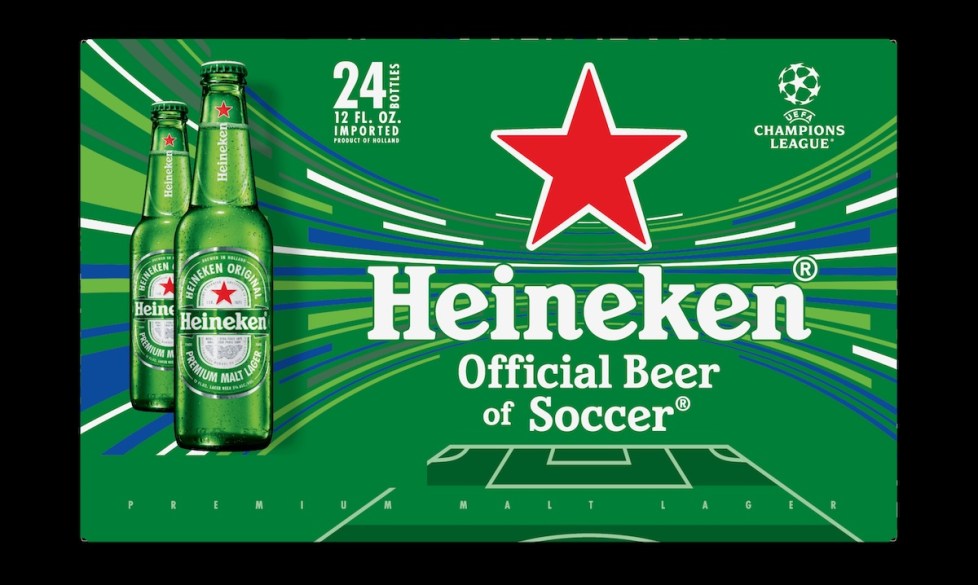
The brewing company, which has trademarked itself as “the official beer of soccer,” is not an official World Cup sponsor. However, it’s getting in on the larger summer soccer hype by launching a limited-edition soccer-themed 12-pack and 24-pack in retail partners across the U.S., including Publix. Heineken is also planning watch parties in various U.S. cities, including Los Angeles, Houston, Philadelphia, New York City, Miami and Dallas. And, it’s building out a new brand platform called “Fans Have More Friends” that consists of TV ads, events and more. The brand platform is a key part of Heineken’s strategy this year across major sporting events, as well as music festivals like Coachella.
Heineken has long embedded itself in the sport of soccer by partnering with both Major League Soccer and the International Champions Cup. For 30 years, Heineken also sponsored the UEFA Champions League, although that partnership will end in 2027. Now, in a year in which the World Cup is set to return to North America for the first time in three decades, Heineken is increasing its soccer spend by 189% year over year to capitalize on the sport’s rapid growth across the Atlantic.
“Soccer is a massive passion point for consumers, … and we know it’s only going to increase in popularity,” Alison Payne, Heineken USA’s chief marketing officer, told Modern Retail. “[This] is a huge beer-drinking occasion, because fans get together to watch their favorite team live. We know that it’s going to be a really big beer-drinking occasion for Heineken, as well.”
The World Cup runs from June 11 to July 19, across three host countries: the U.S., Canada and Mexico. But Heineken’s larger soccer push this spring and summer coincides with other events, too, including the UEFA Champions League semi-finals, which wrapped up in early May, and the UEFA Champions League finals, which take place May 30. As a sponsor, Heineken created a limited-edition aluminum bottle sporting the UEFA Champions League logo and Heineken’s “Official Beer of Soccer” trademark, which it applied for in 2019. It also set up soccer goal displays and floor decals in retail stores.
Also, this summer, Heineken is providing select bars that are airing soccer games with promotional kits filled with items like neon signs and pennants. It has picked these locations based on where fans and international visitors may be, Payne said. She mentioned that, in New York City, Brazilians may watch a game at a bar in Little Brazil, for instance. “There will be an enormous number of tourists coming through,” she said. “Europeans will come over to watch and support their teams.”
For anyone who wants to watch a soccer game — but may be at work during a match — Heineken is running a volunteer time-off initiative. The brand organizes outings like park clean-ups and food banks, so participants can get time off from work to give back. Afterward, those attending the event watch a soccer game together. A recent beach clean-up in Miami that was timed to a UEFA game drew 50 participants, Payne said. Heineken will continue running VTO initiatives throughout the summer and update events on its website.
Marketing activations like these — or, ones that have a sense of camaraderie — go a long way, said Adam Singer, vp of marketing at out-of-home advertising platform AdQuick. A campaign or event that draws people together “will always outperform pure product-feature messaging during a cultural event like this,” he told Modern Retail. “People aren’t thinking about themselves as consumers in these moments. They’re thinking about being part of something bigger. The brands that mirror that feeling win.”
Lucy Kriz, svp of global brands at digital advertising platform Criteo, agreed. Right now, she said, “The brands that tend to resonate most are the ones that focus less on status and more on the role they can naturally play in the moment.” Kriz added, “If the message feels authentic and gives the brand a natural place in how people watch and celebrate, that is what is most likely to stick.”
Other brands are finding ways to take part in the craze around the World Cup, which is expected to draw billions of viewers. Lay’s is featuring soccer stars on chip bags in Canada, while Adidas rolled out its first jersey kits back in October. Like Heineken, though, some brands are not official sponsors. Stanley 1913, for instance, has a new Fútbol Artist Collection of tumblers, but is not partnering with the World Cup.
Heineken, meanwhile, will continue hosting creative, in-person activations throughout the summer of soccer. For instance, as part of its “Fans Have More Friends” campaign, which kicked off in January, it partnered with creator Zac Alsop in New York. Alsop, an Australian, was looking for people to watch a UEFA game with. He handed out flyers that said, “Have A Beer With Me,” and had “hundreds” of people join him at Central Park Tavern.
“We’re showing our fans really connecting over a Heineken,” Payne said.