


Pawn shops see more business amid consumer cost pressures
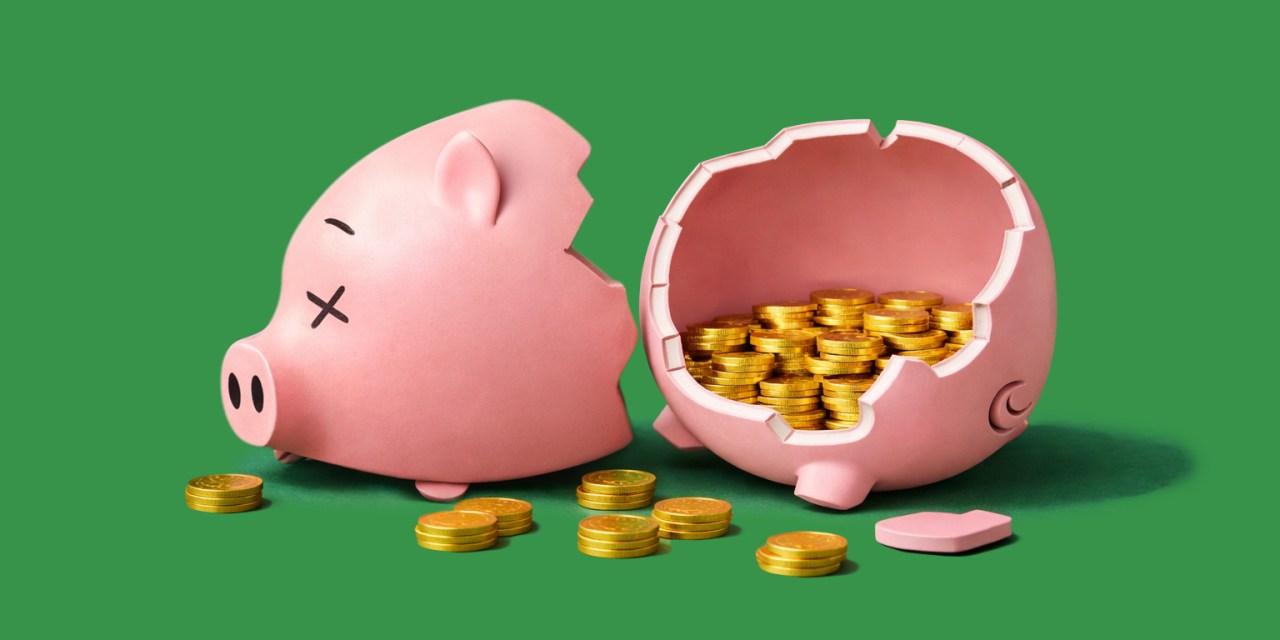
Pawn shops across the U.S. are seeing increased demand as financially strained consumers look for quick cash and lower-cost secondhand goods amid persistent pressure from inflation and economic uncertainty.
At EZCorp, which operates about 1,500 pawn stores across 16 countries, including more than 500 in the U.S., pawn loans outstanding — the total value of active pawn loans that customers have not yet repaid — rose 9% year over year in the most recent quarter. Meanwhile, revenue in the most recent quarter climbed 16% to $270 million, driven by growth in both merchandise sales and pawn service charges, according to company earnings results. EZCorp previously reported record fourth-quarter and full-year revenue and all-time high pawn loans outstanding in November.
Those metrics reflect how pawn activity tends to rise when household budgets tighten, said Tim Jugmans, EZCorp’s CFO, who described pawn lending as a short-term liquidity tool for consumers navigating cash flow challenges. “It’s a very, very customer-friendly product,” he said. “There’s no credit checks, there’s no credit rating risk.”
The trend comes as broader economic indicators point to continued strain on household finances. U.S. consumer sentiment fell to 55.5 in early March 2026 from 56.6 in February — a three-month low — reflecting concerns about rising gasoline prices tied to the war in the Middle East and the still-high cost of living. A weak February jobs report and flat hiring rates, despite increased job openings, also point to a labor market that remains uneven. In a bright spot, tax-refund season is expected to provide a temporary boost in spending power for many households.
Together, these pressures are pushing some households to seek alternative sources of cash while also driving more shoppers toward discounted secondhand goods. Prices at pawn stores can be up to 50% less expensive compared to major retailers, according to EZCorp.
Industry experts say pawn shops have historically served as a real-time indicator of financial stress, particularly among consumers with limited savings or access to traditional credit. Typical pawn shop customers often lack access to traditional credit options, while others may already be carrying significant debt burdens. American households owe $1.28 trillion in credit card debt, according to the latest data from the Federal Reserve Bank of New York. That’s a 5.5% jump from the year before.
Sucharita Kodali, a principal analyst at Forrester, said increased pawn activity reflects uneven economic conditions, even if broader indicators do not yet signal a recession.
“It’s a K-shaped economy,” she said, referring to the growing divide between higher-income consumers who continue to spend and more financially strained households that are pulling back. “There are a lot of people who are in hard times,” she said.
Jewelry remains the most commonly pawned category, accounting for close to 70% of EZCorp’s U.S. loan balances, according to Jugmans. He added that record gold prices are allowing customers to secure needed cash with fewer items.
“What we’re seeing is that people are bringing in less grams of gold and getting similar dollars that they need,” he said.
On the retail side, EZCorp is also seeing growth in categories such as luxury handbags, sneakers and jewelry, which Jugmans said reflects both value-driven shopping and growing acceptance of resale.
“You can see more discussion in the market about the luxury segment, and the view on buying secondhand goods is now also about being a good steward of the environment,” Jugmans said.
Indeed, as Modern Retail previously reported, secondhand shopping is shedding much of its stigma and becoming a mainstream option for value-conscious consumers and gift-givers alike.
Felipe Moreno, a district manager for EZCorp based in San Antonio, Texas, has observed this trend firsthand. He said customers are increasingly turning to pawn shops for holiday and gift shopping, particularly as prices rise elsewhere. In general, the increased demand for pawn shops is tied closely to rising everyday expenses, Moreno added.
“Everything’s a little bit more expensive when you go grocery shopping or when you go pump gas,” he said. “But the bottom line is that people need money, and we’re here to take care of them.”
For now, pawn operators say they expect continued consumer traffic amid higher living costs and economic uncertainty. The Strait of Hormuz — a critical shipping route for crude exports from major oil producers, including Saudi Arabia and Kuwait — has remained closed since the U.S. and Israel began their war with Iran, pushing oil prices higher and driving up gasoline costs as Americans were already grappling with affordability pressures. In recent weeks, oil prices have climbed to their highest levels since mid-2022, when markets were disrupted by Russia’s invasion of Ukraine. Those pressures are already showing up at the store level, pawn operators say.
“Gas prices recently have gone up, so as a result of that, we’re beginning to see an increase in cash demand a lot earlier than we have in previous years,” Moreno said.
Macroeconomic pressures aside, EZCorp, as a company, has made a concerted effort to improve the shopping experience. That’s pushing up the pawn operator’s revenues, too.
Jugmans said the company has been working to move away from the traditional pawn shop model, where employees typically stayed behind counters and waited for customers to approach them. “[Customers] go to the counter, and the interaction is pretty small,” he said.
Instead, the company is training employees to take a more proactive approach to customer service, similar to traditional retail environments.
“We’re trying to develop a culture where it’s much more service-oriented,” Jugmans said. “Our team members are wandering through the store and coming up and greeting you, asking you some questions, really trying to assist in a store environment, rather than just being at the counter.”
EZCorp has also introduced loyalty programs to encourage repeat business, including a rewards points system that customers can redeem for future purchases.
And lastly, the company recently launched an online catalog in August. The site, found at shop.ezpawn.com, allows consumers to browse inventory from local pawn shops. From October to December, the online catalog’s first full quarter, the site drew 1.5 million visits. Top product categories included jewelry, gaming systems, handbags and sneakers.
Jugmans said demand for secondhand goods will likely remain resilient as consumers look for ways to stretch their budgets. As he put it, “Demand for secondhand goods, just on the saving money side, should remain strong.”