


Beef tallow is starting to go mainstream on grocery shelves
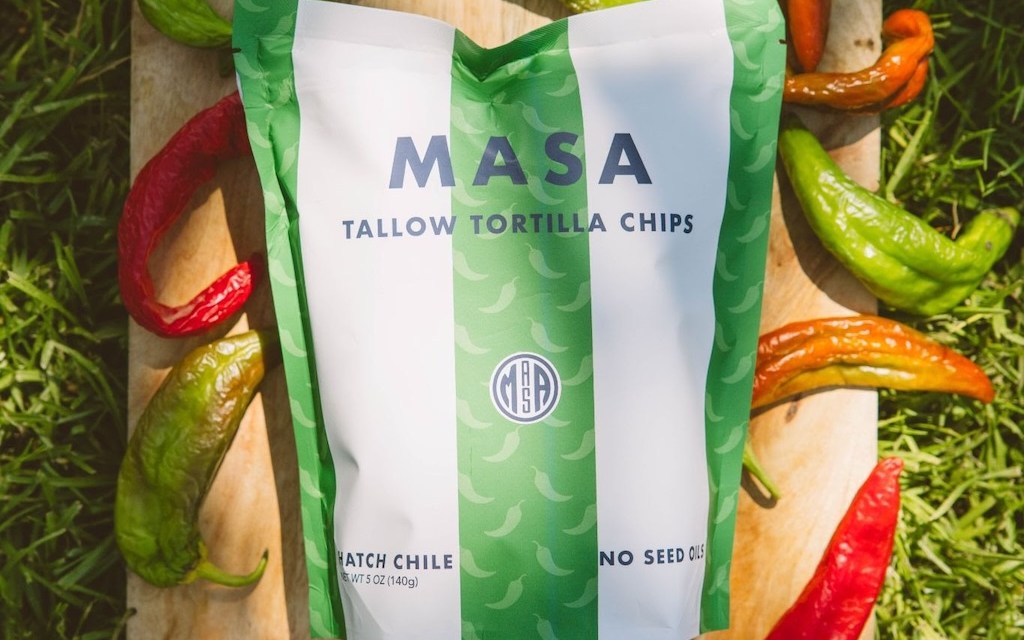
In 2025, premium chips brand Masa spent over $3 million on beef tallow.
Masa launched in 2022 with its tortilla chips, which are made with grass-fed beef tallow. In 2024, it added a line of beef tallow-fried potato chips. This year, the company expects to purchase nearly $4 million worth of tallow to produce its tortilla and potato chips, to service its growing number of retailers.
What’s also changed since Masa launched four years ago is the emergence of the Make America Healthy movement, which has fueled a growing interest in beef tallow. As a result, startups like Masa now have to compete with brands that are hawking everything from protein bars to beef tallow-infused creams for an ingredient that can be challenging to source. “Right now, only 10% of beef fat is turned into edible tallow in the U.S.,” Masa co-founder Steven Rofrano explained.
Masa launched in its first major grocery chain, Sprouts, last October. In November, Masa became the fastest-selling chips brand at Sprouts, on a dollar-per-store weekly basis. Next, Masa is launching in about 100 Whole Foods locations nationwide in April, followed by more locations later this year.
Over the last 18 months, Masa entered premium grocers like Erewhon, Bristol Farms and Citarella, with additional national partners planned for 2026. But it’s not just buyers from high-end or natural grocers that are hungry for beef tallow. Rofrano said Masa is now getting interest from conventional grocery chains wanting to carry the brand’s chips.
Masa is part of a wave of food brands choosing to use beef tallow in their formulations, and in turn, generating product demand from retailers trying to meet growing customer interest in tallow. While the growing demand for beef tallow amid the MAHA movement is boosting these brands’ sales, it’s also placing pressure on their margins as tallow costs spike.
Beef tallow gets a boost in the MAHA era
While beef tallow-cooked products have been around for decades, Health Secretary Robert F. Kennedy Jr.’s endorsement of the fat has brought it to the forefront of the better-for-you food movement.
“MAHA and RFK Jr. — none of that was a thing when we started,” said Rofrano. “We chose tallow because, in our view, it is the best fat for frying food, and it tastes really good.”
Sprouts Market, in particular, has gone all-in on tallow-made products. The grocery chain gave both Masa and beef tallow-based Prima protein bars their first major retail launch in 2025.
Dominick DeLegge is the co-founder and CEO of Prima, which bills itself as the “first ancestral protein bar,” launched in April 2025.
DeLegge said that Expo 2026 earlier this month felt like a turning point. Prima’s bars are made with beef tallow, egg yolk and collagen. This month, Prima introduced a reformulated version of its bars, with increased protein and improved texture.
“The questions from buyers weren’t, ‘Why tallow?’ anymore — they were, ‘How do we get more of this on the shelf?’” DeLegge said. “The anti-seed oil movement has moved from Reddit threads and wellness podcasts into the purchasing decisions of major retail chains.”
“We weren’t chasing a trend either,” DeLegge said. “We were betting on the science and the shift in consumer values around real, ancestral ingredients.”
Another example is Jesse and Ben’s, a frozen fries brand that uses avocado oil or grass-fed beef tallow in its products. The startup is in the middle of a national retail expansion following its 2024 launch. Last August, the company also raised a venture capital round to support the growing distribution of its products.
Other established food brands saw the beef tallow opportunity before RFK Jr. brought it into the zeitgeist. Fond Regenerative, founded in 2015 and known for its pasture-raised bone broths, expanded into cooking beef tallow in 2024. The line includes pure and flavor-infused beef tallow.
Since adding beef tallow, Fond Regenerative founder and CEO Alysa Seeland has seen increased interest from retail partners in carrying the line. Following the tallow’s DTC launch, retailers like HEB, Sprouts and Albertsons began placing orders. In fall 2025, Whole Foods began selling Fond’s unflavored tallow, with the retailer including the product in its 2026 trend report.
“I started dreaming about tallow in 2019,” Seeland said. “My initial angle for this product was ‘flavored meat butter,’ so it has always been in our pipeline.” She said that tallow was an easy extension of bone broth because, like the bones, suet (unrendered fat) is an abundant resource that, until recently, was being thrown away.
Seeland said Fond typically develops products with its female consumer in mind, based on a combination of customer feedback and category data. “Even though it was already in our pipeline, tallow was a consistent request from our customers,” she said. At the same time, Seeland said, grocery buyers were seeing a growing customer demand for seed oil alternatives, like tallow.
The challenges of working with beef tallow
As interest has increased, the beef tallow supply is under pressure. “Tallow is obviously core to all our products, and so we use a lot of it,” Rofrano said. He explained that beef tallow is expensive relative to seed oils, costing about three to five times more on a per-pound basis. “As we grow, that number grows with us.”
Masa now sells over 400,000 chips bags per month, at more than 1,500 stores nationwide. Today, Masa uses about 100,000 pounds of tallow a month in its New Jersey factory.
Masa’s tallow supply prices went up about 40% between 2024 and 2025, which the company chose to absorb in its margins. “The tallow market is definitely tight as a lot of new brands are emerging, so there has been some price variability,” Rofrano said.
Another costly factor is that Masa also does not stockpile tallow for later use, which means constantly purchasing fresh batches of the animal fat. “We keep our tallow fresh, because the longer that the tallow is exposed to heat, eventually it degrades,” Rofrano said.
Prima’s DeLegge said, similarly, his company built its entire business around beef tallow before it was a mainstream conversation. “And it wasn’t easy,” DeLegge said. That’s because food manufacturing with beef tallow isn’t set up for use on a large scale, he said. When DeLegge looks at the actual costs, he said, “It would have been cheaper and easier to use industrial seed oils and lecithins like the majority of our competitors.”
Seeland of Fond also pointed to specific challenges that come with sourcing tallow. “The sourcing is essential to get right, and the processing is just as important,” she said, explaining that animals typically store toxins in their fat to protect vital organs, which is why the company uses regenerative tallow that prohibits the use of pesticides.
“A lot of tallow is deodorized and bleached, which basically turns this into a highly processed food,” Seeland said. Fond chose a rendering process that allows natural color and odor to come through, which also preserves the beef tallow’s vital nutrients. “The challenge, whenever there is significant growth in a short amount of time, is to find high-quality supply and people making it who actually know what they’re doing.”
To meet retail demand, the company began purchasing tallow from the small regenerative farms it had already been working with to source ingredients for its bone broths. “We will also introduce tallow to new categories later this year,” Seeland said.
Despite the higher costs and manufacturing challenges, these food brands say their bet on beef tallow is paying off. DeLegge pointed to Prima becoming the top-selling protein bar at Sprouts this month, per Spins data. And now, he said, “We’re hearing from buyers at conventional grocery retailers who would have never taken that meeting two years ago.”