


At Starbucks, a Bearista collectible and a record-setting Red Cup Day drive foot traffic resurgence
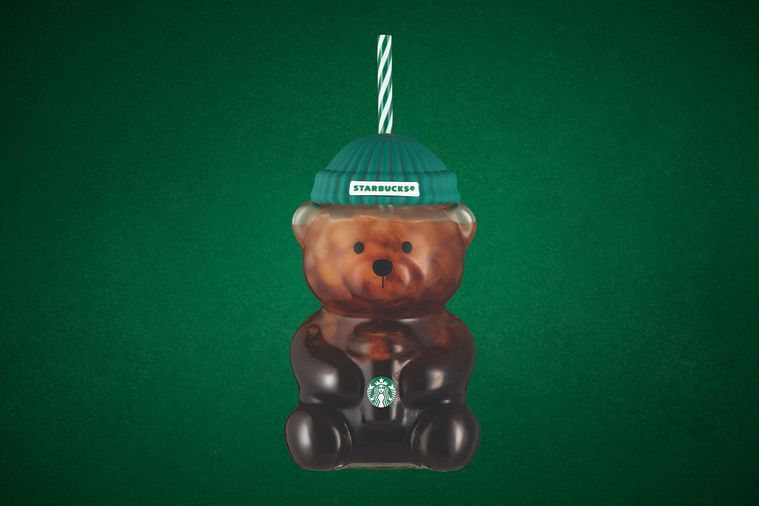
Starbucks’ viral hits are paying off. The coffee chain saw a 4% same-store sales growth in its fiscal first quarter, showing positive signs of a turnaround under CEO Brian Niccol’s tenure.
A chunk of Starbucks’ sales increases were driven by the success of its most recent limited-edition collectibles that customers could not get anywhere outside its stores. Most notably, these events included the viral release of the collectible “Bearista” cup and a record-setting annual Red Cup Day in November, on which customers receive a free reusable red holiday cup with the purchase of a seasonal drink. Along with a consistent streak of popular brand collaborations, Starbucks’ efforts helped it increase transactions by 3% year over year.
“Our overhauled approach to marketing and menu innovation is putting Starbucks back in the cultural conversation and back into a leadership position,” Niccol said on the earnings conference call. “Our holiday offering featured an exciting menu and new merchandise, including our Barista Mug, which created real energy and buzz that drove more customers into our coffeehouses.”
The limited-edition promotional run is just one of many investments Starbucks has made over the past few months in an attempt to get customers excited about coming back into the store. The company’s Green Apron Service model, implemented under Niccol last fall, includes streamlining operational efforts, including by adding at least one full-time assistant manager to most stores.
Brad Jashinsky, director analyst at Gartner, said that limited-time offerings, or LTOs, “are a tried-and-true strategy for driving traffic to quick service restaurants.”
Jashinsky said that, historically, Starbucks has been slower to release LTOs at the same velocity as other QSR chains such as McDonald’s or Panera. But during this most recent quarter, he said, “Starbucks did a fantastic job of providing a variety of LTOs that connected with customers through classic red holiday cups, viral Bearista cups, new flavors like hazelnut praline and classic holiday drink flavors such as peppermint and pumpkin spice.” The company also continued to grow awareness of its new protein drinks that were released last fall.
“The other clever expansion of Starbucks’ limited-time offerings is their secret menu that features many celebrities’ and influencers’ favorite drinks,” Jashinsky said. The secret menu uses existing menu flavors to create new combinations, which helps create buzz and drive store traffic without bringing in many new ingredients. A recent example includes Khloé Kardashian’s secret high-protein latte promo, paired with the release of her Khloud popcorn at Starbucks stores.
In turn, Starbucks’ foot traffic spiked during the second half of the year, contributing to the positive sales growth over the past quarter. According to a report by foot traffic tracking platform Placer.ai, during Red Cup Day, starting November 10, Starbucks saw weekly visits spike by 5.8% year over year. And during the previous week, when the Bearista cups launched at stores, visits were up 11.6% year-over-year.
R.J. Hottovy, head of analytical research at foot traffic tracking platform Placer.ai, said improving trends in visits were a major highlight of the company’s first-quarter update, showing that Niccol’s Back to Starbucks’ initiatives are working.
“While promotions like Red Cup Day and the Bearista product successfully drove visits during the quarter, the success of the ‘Green Apron’ service model may be more significant for long-term trends,” Hottovy said. In the earnings report, Starbucks noted that the U.S. locations utilizing the Green Apron model outperformed stores that did not leverage it.
Next, the coffee chain is looking to continue that momentum with its spring roll out. Starbucks is also hosting an investors’ day on January 29, which will include feature presentations and Q&A sessions with investors on the upcoming Back to Starbucks plans.
“The big question is: How long can Starbucks go without a significant price increase?” Jashinsky said. “Keeping prices relatively the same decreased earnings this period.” Tariffs and other factors have significantly increased coffee prices, but Starbucks has yet to pass most of those costs onto the customer.
“Starbucks also needs to be careful about how it expands the menu to bring in limited-time offerings without having supply chain issues and without further reducing profit margins,” Jashinsky said. “So it is a really careful balance, and it’s incredibly hard to do at their scale.”