


How Target is talking to corporate employees about the ICE surge in Minnesota
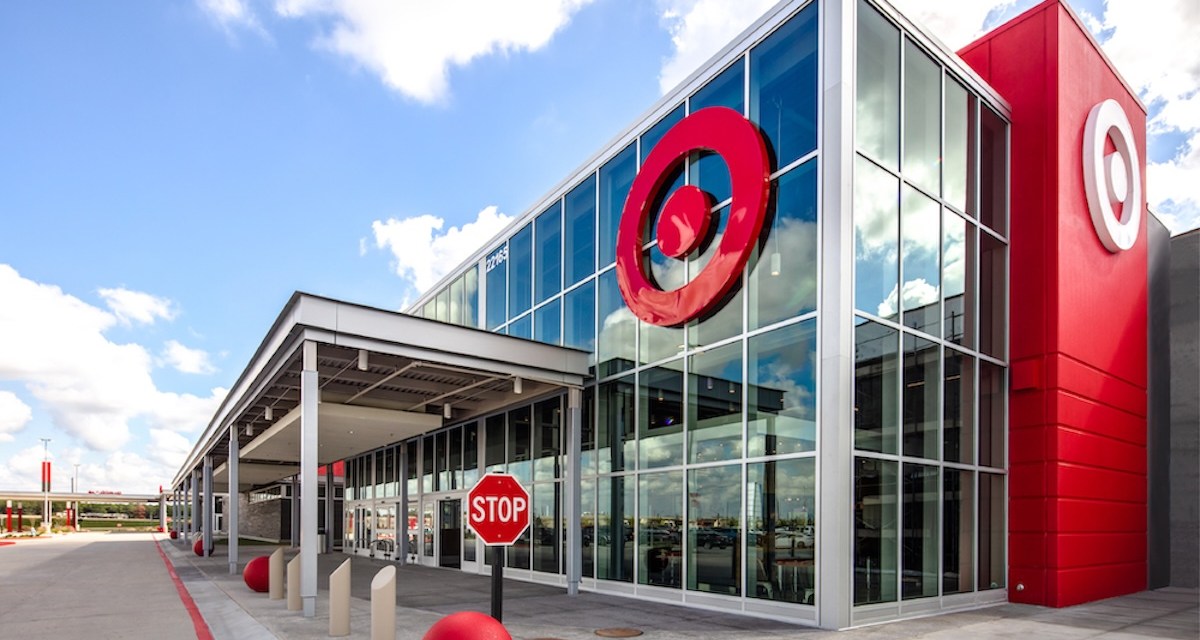
It’s a video that’s been shared tens of thousands of times on social media and across different news outlets: federal agents outside of a Target store in Richfield, Minnesota tackle and detain two Target employees. It’s a chaotic scene as onlookers shout for the agents to let the employees go, and one of the employees yells that he’s a U.S. citizen.
Similar incidents have played out in the parking lots and stores of Target, Home Depot and other major retailers as part of President Donald Trump’s push to crack down on illegal immigration. Over the past year and a half, the Trump administration has sent “surges” of Border Patrol agents, alongside agents from Immigration and Customs Enforcement, into major metropolitan areas like Los Angeles, Chicago and, most recently, Minneapolis, with reports of daily arrest quotas to meet.
Agents in these cities have turned to public-facing areas — like the parking lot of a retail store — to stage operations or to question people about their citizenship status, with customers pausing to shout or pull out their phones when agents move to tackle someone.
It’s a growing issue that is impacting all areas of a retailer’s business. That’s proven particularly true in the Minneapolis-St. Paul metropolitan area, where anywhere from 2,000-3,000 federal agents have been reportedly sent to carry out “the largest immigration operation ever,” according to ICE.
On Jan. 14, ICE agents were in the parking ramp of Target’s Brooklyn Park campus, according to multiple workers who spoke with Modern Retail. It’s where many of its corporate tech employees work. Employees did not know what the ICE agents were doing there — for example, whether they were using the parking ramp to stage for a nearby operation. Target declined to provide a comment for this story.
Target, for its part, has refrained from publicly commenting on the issue at its Richfield store and declined comment requests in recent weeks to The New York Times, The Wall Street Journal and other media outlets. But it has communicated to corporate employees through emails and resource pages about issues related to the increased ICE presence in Minnesota — though some of it outright avoids mentioning the word “ICE.”
Now, local business leaders, politicians and news outlets have started calling out the public silence from Target — and other corporations, like General Mills and Best Buy — regarding ICE activity in Minnesota. But Target, in particular, has faced significant scrutiny as Minnesota’s largest retail employer.
Target’s resource page compiled for its corporate employees answers commonly asked questions related to the ICE surge in the Twin Cities. Modern Retail was able to view a copy of the FAQ page and verified its authenticity.
The questions addressed include: “Are any of our team members in custody?” Target’s response: “We know our team cares about each other. Due to legal obligations — and out of respect and for the privacy and security of our team members — we can’t share any details about team member situations.”
Another question addressed on the FAQ sheet is: “Is Target partnering and collaborating with ICE?” The response notes that “Target does not have cooperative agreements with ICE or any other immigration enforcement agency.” Target also notes that federal agents are legally allowed to be in parking lots and public-facing areas of a store without a warrant.
“The law indicates that they cannot be in non-guest-facing areas, like our backrooms, supply chain buildings and HQ locations, without a judicial warrant,” the response states.
The response concludes with: “We comply with all laws and regulations and our field teams have specific guidance on the legally required process for unannounced federal agency visits. This approach is not unique to Target.”
Guidance from the Minnesota attorney general’s office, issued last year, states that “If an organization does not give permission to enter its non-public spaces, then ICE cannot enter without a court-issued warrant or subpoena.”
The guidance also suggests that “Organizations with both public and private spaces may want to clearly mark which areas are not for the public, like posting a ‘private’ sign on the door to an employee break room, and ensure that access to those areas is restricted. Organizations should designate a specific staff person who is responsible for interacting with ICE and all staff should refer ICE agents to them.”
Target has sent out a few emails to corporate team members since Jan. 7, which is when a Minneapolis woman, Renee Nicole Good, was fatally shot by an ICE officer. The first one, sent on Jan. 8 from chief human resources officer Melissa Kremer, was entitled “A note to Minneapolis team members” and referenced “events in our hometown.”
Though the email did not outright mention “ICE” or any immigration enforcement activity, employees who spoke with Modern Retail assumed that’s what it was referring to. The email stated that Target was working closely with leaders to “manage activity around our stores and [distribution centers] and stay focused on what is within our control. We’ve prioritized those actions first, before sharing an update more widely with all of you.”
“This situation is changing quickly and continuing to develop — and we receive new information by the moment. But I want to assure you that we’re constantly monitoring the situation, following all laws and regulations, and prioritizing safety at our stores and sites,” the email read, in part.
Another email sent the following week did not mention ICE, but it did point employees to “resources and support,” including the FAQ page where questions related to ICE and immigration enforcement activity were directly referenced.
“I don’t see this as being materially different from the stance of other retailers,” said Neil Saunders, managing director of GlobalData Retail, when asked for his thoughts on Target’s messaging.
A Home Depot spokeswoman, for example, told the Wall Street Journal that, “because our parking lots and stores are unrestricted spaces that allow for the free flow of people in and out, federal law enforcement agents aren’t legally required to present a warrant to enter these areas.” Home Depot, like Target, has also said it is not coordinating with ICE or Border Patrol.
“Every retailer affected is caught in a very difficult position because, as distressing as this can be, they must act in a lawful way, and a lot of things are outside of their control,” Saunders said.
Still, some politicians, business leaders and activists in Minneapolis and St. Paul believe there is more Target can do to discourage immigration enforcement activity at its stores, parking lots and other areas it oversees.
Minneapolis city council member Jason Chavez, for example, called on Target to “speak up, take action to make its parking lot and stores safe, and to be on the right side of history.” And on Jan. 15, a group of clergy leaders and community members gathered at Target’s downtown Minneapolis store and marched over to corporate headquarters, asking for a meeting with Target CEO Brian Cornell.
The group of leaders has asked Target to “publicly oppose the ICE surge and demand that ICE leaves Minnesota,” and to “post signage in stores and deny entry without signed judicial warrants and train staff on how to respond.”