


Meta Lab, known for AI glasses, is nearly doubling its retail store footprint
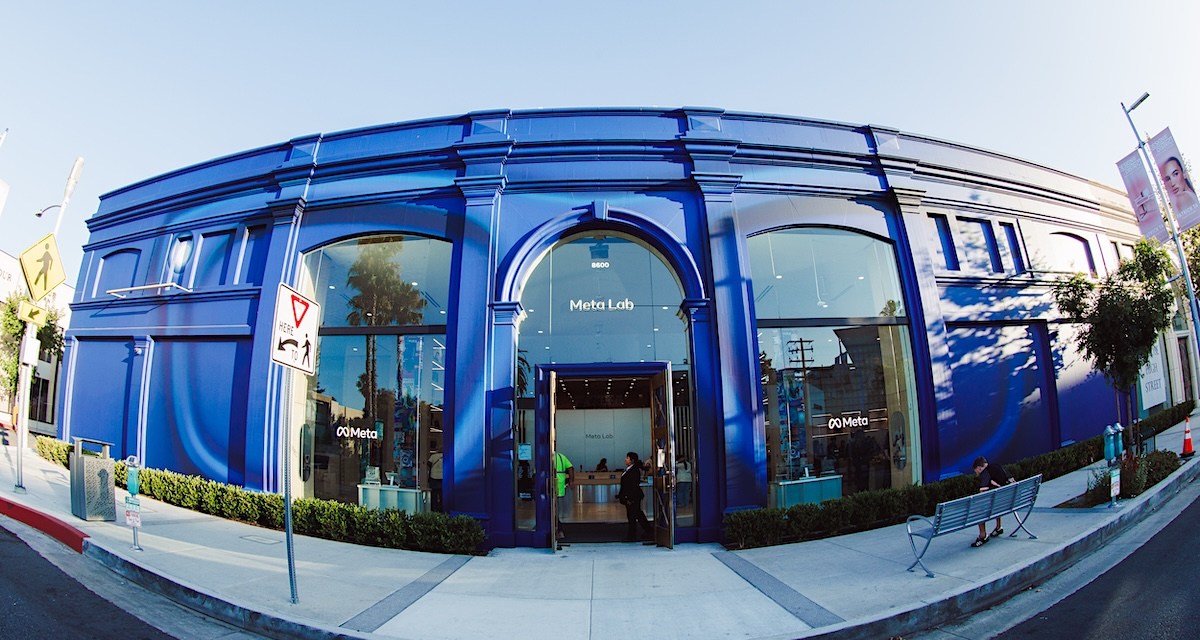
It’s shortly after opening time at Meta Lab on Fifth Avenue, and already, visitors are streaming in. Some are browsing the racks of AI smart glasses, comparing transition lenses and clear lenses, trying on different frames — the Starfire edition with Kylie Jenner is especially popular — and flipping open rechargeable cases. Upstairs, others are getting guided demos from staff and perusing the laser-engraving station, which offers New York-specific icons like hot dog carts.
This fall, even more customers will get to experience Meta’s AI glasses in person. That’s because Meta Lab plans to open six new standalone stores in the next several months, beginning with Houston, which opened on Sept. 10. The other stores will be based in Atlanta; San Diego; Chicago; Scottsdale, Arizona; and Moynihan Station in New York City, the company confirmed to Modern Retail.
The plans will nearly double Meta Lab’s store footprint, which, before last week, totaled eight locations, including flagships in Los Angeles, New York City and Honolulu. The move comes on the heels of Meta’s other investments in physical retail as it continues its push into wearables. In June, Meta Lab began offering demos and fittings of AI glasses at Best Buy. It’s now on track to operate 50 such shop-in-shops by the end of 2026.
Meta first launched smart glasses with EssilorLuxottica (the owner of Ray-Ban) in 2021, before rolling out a second generation in 2023. In 2025, Meta debuted Ray-Ban Display glasses — which start at $799 and include a built-in display — as well as Meta Vanguard glasses with Oakley, which are geared toward athletes. In June, the company announced Meta Glasses that have adjustable nose pads and start at $299. Meta also rolled out $399 glasses in collaboration with Jenner, who voices the AI assistant.
Smart glasses are still an emerging market, although interest in the product is growing. Revenue for the category grew 233% over the 12 months ending in May, per Circana. Meta and EssilorLuxottica dominate the sector, with an estimated market share of more than 80%, according to a February report from Counterpoint Research. Meta sold at least 7 million of its glasses last year, per Business Insider. Still, the smart-glasses category has yet to achieve universal mass adoption, and it has also faced pushback over privacy and data-collection concerns.
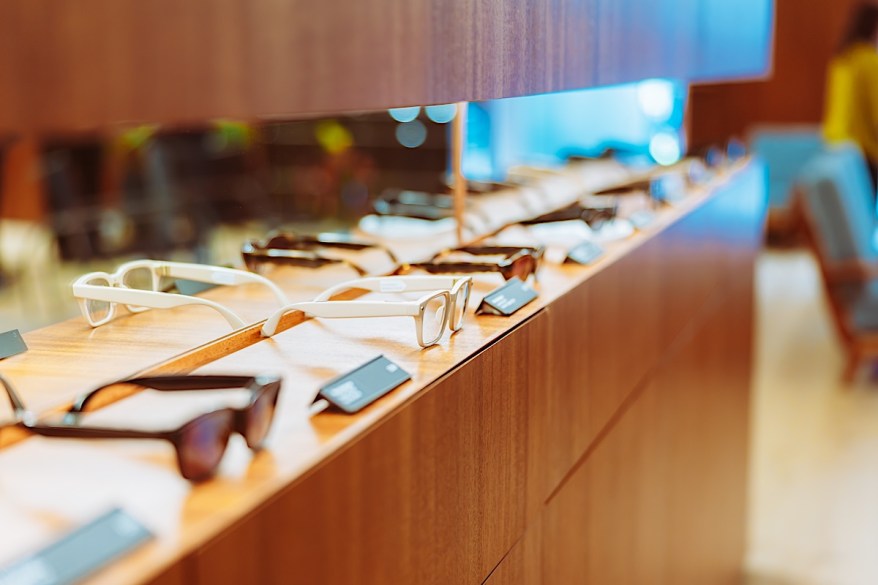
Meta’s smart glasses differ by model, but generally speaking, they capture photos and videos through a built-in camera that lights up when it’s in use. The glasses also allow the wearer to interact with an AI assistant through built-in speakers and Bluetooth. Meta has shared numerous use cases for the glasses, including translating menus, sending texts, listening to podcasts and asking about historical landmarks. An AI assistant answers questions verbally, although the Display model also projects information — like a sign translated from English to French — onto the screen of the glasses. On an earnings call in July, Meta CEO Mark Zuckerberg stated that the company’s glasses “remain one of the fastest-growing consumer electronics of all time.”
Meta debuted its Meta Lab concept in a pop-up at its Connect conference in September 2024. Per Meta, more than 90% of Connect attendees visited the experience, and more than one in four made a purchase. By November, Meta Lab had opened a brick-and-mortar location in Los Angeles. More locations kept coming, with a particular focus on high-traffic areas surrounded by luxury retail.
“We’re selling a lifestyle-slash-fashion product … for the most important real estate you have: your face,” Matt Jacobson, vp and creative director at Meta, told Modern Retail. “We can’t rely strictly on someone buying these online,” he explained, calling the glasses-buying process both personal and somewhat vulnerable. “We’ve tried to make it feel like a safe place to try on different styles and find the ones that are right for you.”
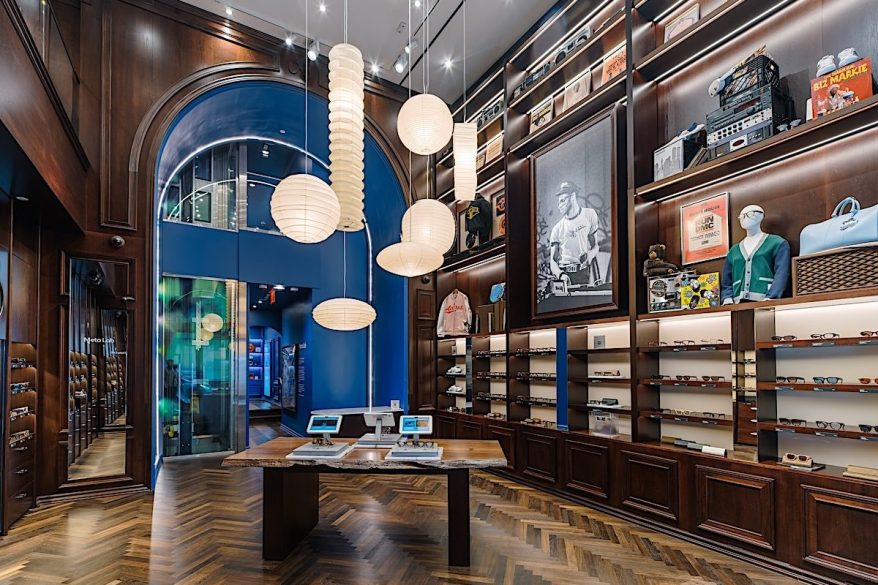
Meta uses Meta Lab locations to show off its full range of inventory, including Meta Glasses, Ray-Ban Meta, Oakley Meta, Meta Ray-Ban Display and Meta Quest VR headsets. There are dozens of glasses styles, with different color and style combinations. Associates do product demos and encourage customers to try on the glasses, stand in front of full-length mirrors and ask questions about how the technology works. Shoppers can also order prescription lenses and consult with on-site eye doctors.
Some Meta Lab locations get an influx of international visitors, so the company is rolling out self-service kiosks with different language capabilities. It’s also making sure its Labs reflect the surrounding community and culture, Jacobson said. The New York City and Los Angeles flagships, for instance, regularly host DJ sets. The Waikiki flagship, meanwhile, doles out local coffee and features furniture made in Hawaii. “The focus is definitely on making our spaces feel residential, not commercial,” Jacobson said.
Meta apps cater to 3.9 billion monthly active users globally, but the Meta Lab concept helps people get a better sense of the company outside of WhatsApp, Instagram, Messenger, Facebook and Threads, Jacobson said. “We touch a lot of people every month and every day, but not a lot in person,” he said. Since opening Meta Labs, foot traffic has been strong, as have sales, Jacobson added.
Some critics, however, have voiced privacy concerns about Meta’s smart glasses, especially given that they collect data and house cameras. In May, Texas Attorney General Ken Paxton launched an investigation into Ray-Ban Meta glasses, alleging that the glasses could violate personal privacy in environments such as bathrooms. In January, the New York police department’s counter-terrorism unit warned officers about the potential “security and counterintelligence” threat of Ray-Ban Meta glasses, per The Guardian.
There have also been instances in which glasses-wearers have recorded individuals without their knowledge or consent, carried out pranks and then published videos on social media, as documented by CBS News. This behavior led some social-media users to dub the products “pervert glasses.” In August, Meta said it was updating the glasses to automatically shut down the camera if it detects physical tampering.
Jacobson told Modern Retail that Meta takes privacy seriously. “This is a new product and a new category that people are just learning how to use,” he said. “We’re taking the responsibility to explain to people how they work and why they work, and encourage people to use the product responsibly.”
Neil Saunders, managing director at GlobalData Retail, believes that while there is demand for smart glasses, the market is still niche. “The idea that smart glasses are going to become a category like phones is a bit fanciful in my view,” Saunders told Modern Retail. “I also think that, once bought, they won’t be on a rapid replacement cycle in the same way other devices are.”
That said, Saunders explained, Meta Labs may help to introduce the glasses to more shoppers, promote other Meta gadgets and services, and gather feedback to inform future product development. “The stores will probably help grow the market as people will visit to experiment and test, and some will like what they see,” he said. “So, it does make sense to put these in big and important markets.”
Nicole Greene, a vice president and analyst at Gartner, called Meta Lab a “win-win-win” on multiple fronts, although she too acknowledged people’s privacy concerns. “[Meta] is driving tech adoption that will foster their core business,” she told Modern Retail. “They’re helping [foster] behavior change that will support the sale of hardware and the ecosystem of data. And they’re trying to help the entire society adapt to new personalized technology, which is only going to benefit AI companies and the brands who leverage it properly.”
As the months go on, Meta remains bullish on using physical retail to prop up its smart-glasses business. Since the company doesn’t have a long history of operating stores, it’s open to experimenting with various formats for Meta Lab, whether on a high street, within another retailer or in a mall, Jacobson said. The company also plans to unveil more information about this year’s glasses lineup at its Connect conference on Sept. 23.
“We’re trying to be really smart about where we feel like retail is going to be three to five years from now,” Jacobson said. “I really do believe that all retail is experiential. We can’t become a place — and won’t become a place — where people just come in and pick stuff up.”