


Moving on from ‘reach without resonance’: Modern Retail’s Marketing Summit defines new industry directives
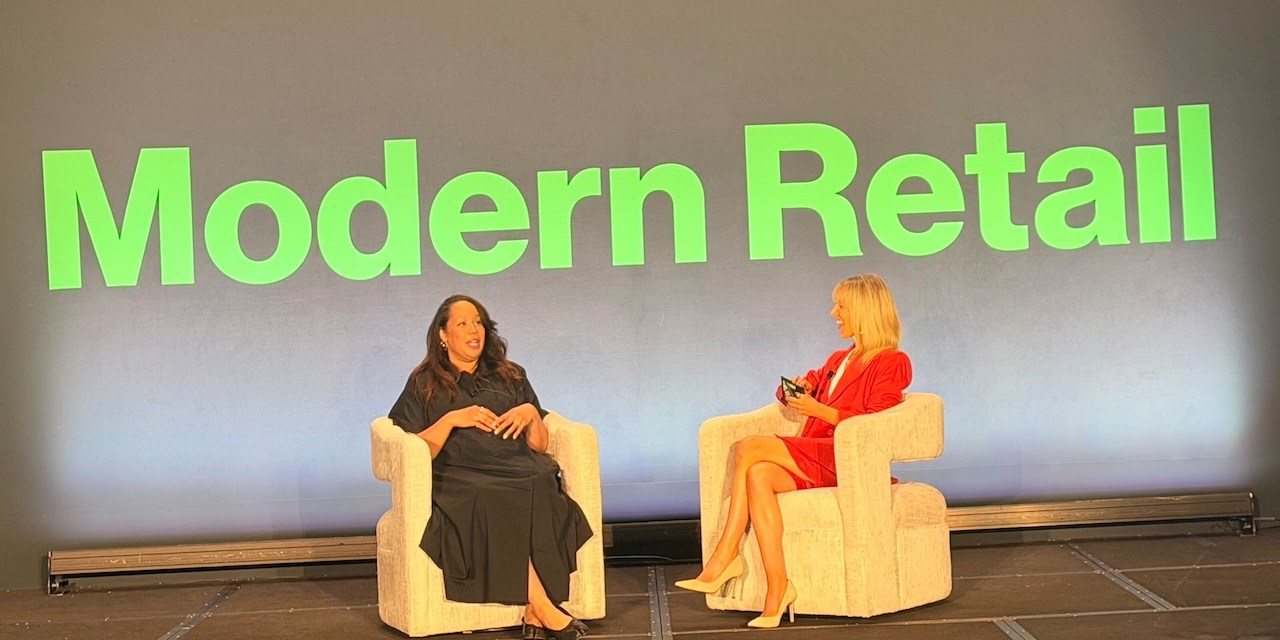
At last week’s Modern Retail Marketing Summit in Huntington Beach, California, brand and retail executives used town hall and working group discussions to workshop their next strategies, considering current macroeconomic challenges across the board. Below, a roundup of the practices marketers will be championing moving forward, based on these discussions.
To resonate with Gen Z, facilitate customer participation and co-creation
Multiple MRMS brand speakers and attending marketers stressed that cutting through the noise, especially when targeting Gen Z, now requires inviting customers to participate in the brand’s marketing. Simply broadcasting messages to them doesn’t cut it.
“Participation is the best way to connect with this customer,” Cyntia Leo, head of brand marketing, brand communications and PR at Urban Outfitters, said onstage, referencing Urban Outfitters’ research on its Gen-Z shopper demo. “Reach without resonance isn’t going to create brand loyalty. You can drive all the awareness you want, but these kids are not going to care; you’ll just be another ad and another brand.”
For its part, Urban Outfitters is bullish on campaigns that let customers incorporate their own stories, co-host events and gain exclusive access. Just last week, it organized a brand trip to Joshua Tree National Park that welcomed customers with 10,000 followers or fewer.
Another take: PacSun has launched a 16-member Youth Advisory Board to let its Gen Z and Gen Alpha consumers directly influence the brand. They attend monthly board meetings, making decisions on photo shoot locations and logos, for example, and developing ideas for community activations. They receive mentorship opportunities in return.
“We felt like we needed to give them a seat at the table,” said Richard Cox, chief merchandising officer at Pacsun. “The customer really just wants to be part of that conversation. They don’t want to be spoken to; they want to help create with you.”
Optimize for AI discovery by structuring data and securing trust
The customer discovery funnel is shifting from traditional search, where strong SEO surfaces brands, to AI-driven search, which requires AI engine optimization, or AEO. In turn, more brands are realizing the importance of ensuring their backend website schema is machine-readable. As stated by Paul Norris, senior director of organic media at Journey Further, “If your product data isn’t readable by an LLM, then you won’t be in contention for the sale.”
“For years, we’ve been optimizing websites for Google,” he said. ”Google can render JavaScript, LLMs can’t. … So use server-side rendering. It’s your friend.”
In addition, as AI gathers information from across the internet, it places greater weight on earned media, digital PR and conversations on community forums, including Reddit, over a brand’s own messaging. As Norris put it, “earned proof trumps your own claims” in the AI search era. As such, securing authentic reviews and other examples of third-party trust now earns a brand validation and enables its discoverability.
Break down data silos to unify the customer journey
As Ross Kramer, CEO of the marketing automation platform Listrak, stated, “Siloed channels equal less revenue.” For example, brands with separate SMS and email teams or vendors may have blind spots in recognizing customer behavior, hindering effective sales prompts, such as notifications about abandoned carts. Integrating digital marketing tools to orchestrate cohesive, cross-channel campaigns is now table stakes.
Of course, the same is true of brands’ ability to combine offline and online data, such as linking in-store purchases to digital profiles, which is necessary to measure how digital efforts drive in-store traffic. Prioritizing an “omnichannel” approach is also important for messaging consistency, which is needed to build a strong brand.
“Right now, the consumer is different, right? She’s an omnichannel consumer,” said Sara Ahmed Holman, president of new ventures at Bobbie. “She’s learning digitally, then she’s showing up in the store. But sometimes she learns in-store and then researches. So you’ve got to be able to keep that integrity of your brand and brand voice really consistent in any channel and experience.”
Cut through digital saturation with valuable IRL experiences
For many consumers, digital fatigue is setting in; they’re craving physical connection and authenticity. And brands are noticing the effects — for example, increases in mobile bounce rates.
Marine Layer is combating the trend by leaning into print catalogs and hosting immersive pop-ups that have both engaged customers and driven sales.
“Customers are craving this sense of: ‘I can trust it. I can touch it. I can feel it,” said Renee Lopes-Halvorsen, the brand’s chief marketing officer, during an onstage session about Marine Layer’s strategies for avoiding digital saturation.
Digitally native brands, especially, are seeing that IRL events, allowing customers to touch, feel, and have an experience, are fueling deeper relationships. They build trust while also entertaining customers.
“Shopping is not necessarily just about acquiring the garment anymore,” Lopes-Halvorsen said. “It’s even more about acquiring something that is memorable.”
Defend upper-funnel brand investments by redefining measurement
The state of the traditional marketing funnel was a big Summit topic, with many marketers agreeing that applying last-click, lower-funnel performance metrics to every marketing dollar is a dangerous trap that can limit long-term growth.
“We have a healthy budget across investments, across all kinds of marketing expenses, and every dollar cannot be held accountable to the same financial KPIs,” said Jessica Padula, Nespresso’s vp of marketing and head of sustainability. “I think it’s a slippery slope when you start to validate marketing dollars on things like [product] sales and net customer acquisition, because then it feels like every dollar should be driving that thing.”
Attending executives agreed on the value of developing dedicated scorecards for upper-funnel metrics — such as brand awareness and trust signals — and presenting them to decision-makers alongside traditional ROAS to ensure long-term brand equity isn’t sacrificed for short-term sales targets.
“Broad reach shouldn’t be looked at as something that is waste,” said a brand marketer speaking off the record during a town hall discussion. “It’s how a brand grows.”