


DTC brands are finding growth with older customers
A growing number of direct-to-consumer brands are discovering that their largest growth audience isn’t who they initially thought it would be.
While a number of early, venture-backed DTC brands like Away, Warby Parker and Casper built their brands by targeting millennials, the latest generation of DTC brands is trying to reach a more comprehensive set of customers. In turn, some brands are finding that they are seeing more growth from older customers than they initially expected — and they are tailoring their marketing tactics, product development and overall messaging accordingly.
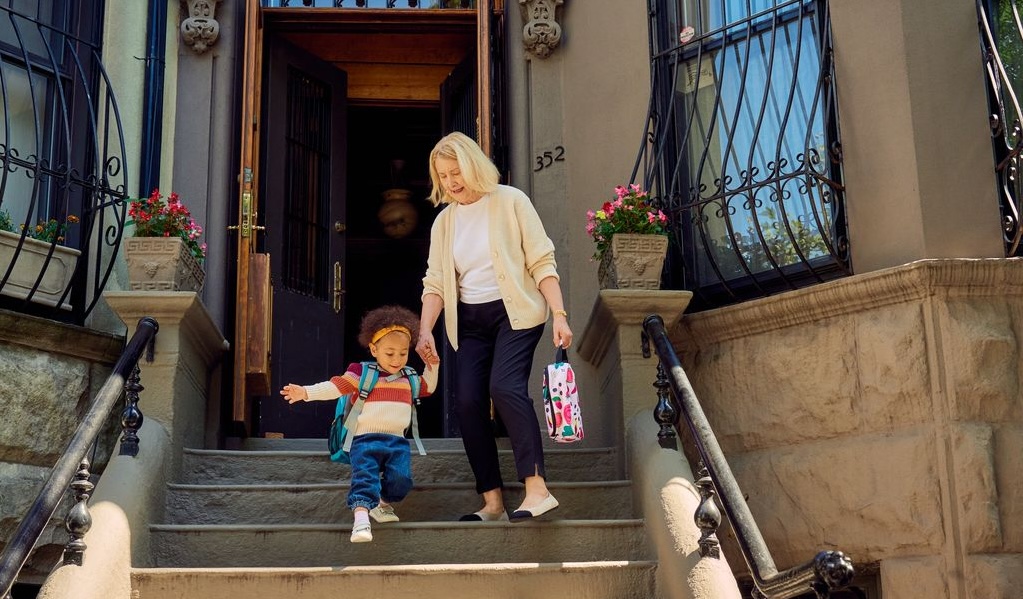
For example, baby food startup Little Spoon recently identified an influx of grandparents ordering its products. And charcuterie board delivery service Boarderie has found that it is increasingly Baby Boomer moms who are gifting its charcuterie boards, not just millennials self-purchasing the Instagram-worthy assortments. These customer cohorts have helped fuel significant sales growth at a time when many brands are struggling to reach the right customers digitally.
For Little Spoon, grandparents have quietly become one of the brand’s most passionate customer segments. Caryn Wasser, chief brand officer at Little Spoon, attributes this to more grandparents taking on caregiving responsibilities for their grandchildren. “Food decisions for a baby usually involve more than one generation,” she said. The company started to pick up on the trend earlier this year.
Wasser told Modern Retail that the emerging shopper cohort made sense, as “Food decisions for a baby usually involve more than one generation.”
“Our care team kept flagging that they were hearing from grandparents pretty regularly, and then we saw the same thing show up in our data,” Wasser said. Once the company saw more grandparents engaging, Wasser said the company didn’t just want to move on — it wanted to build out a parallel marketing strategy to reach these older consumers.
Right now, 3% of Little Spoon customers are over 50, which Wasser said is notable for a baby food brand. But another number is illustrating that this demographic is growing. “We have had 300 grandparent-related conversations in the past 18 months, which is roughly one every other day,” she said, meaning a steady stream of grandparents are reaching out unprompted.
“We hear things like grandparents thanking us for remembering their grandchild’s name or explaining that they handle meal decisions because their kids are busy with work,” Wasser said. Moreover, a number of Little Spoon’s most active “Spoon Squad” community ambassadors are grandparents themselves, regularly tagging the brand in their content.
“We were also recently named a Golden Grandparent Award winner,” Wasser said. “That feels like validation that this is a real pattern, not just something we’re imagining.”
So the company quickly started experimenting with content to target this demographic.
“We are testing content that speaks to grandparents directly instead of assuming they’re an afterthought,” Wasser said. The brand is doing specific placements and creative targeting focused on older adults. Little Spoon is also expanding into creator and influencer campaigns this summer to reach that audience where they are already scrolling. Upcoming influencer partnerships will include Gramfluencers and Aki Koichi.
Boarderie, launched in 2021 at the height of the pandemic-driven e-commerce boom, quickly found that its core customers skewed toward Boomer moms using the curated cheese boards to stay connected with their adult children across the country. That audience was there from “close to the beginning,” said Rachel Solomon Fascitelli, co-founder and co-CEO of Boarderie.
Given that the brand launched in 2021, when a number of millennial DTC brands like Warby Parker and Glossier were seeing positive sales growth, Boarderie initially presumed its core customer base would consist largely of millennials and emerging Gen Zers looking for novel hosting and gifting solutions.
Fascitelli said the brand has shifted its marketing efforts over the years to ensure its products and language resonate with an older-than-expected audience. Much of the brand’s advertising focus is on Meta’s platforms, with a particular emphasis on Instagram.
Boarderie sidestepped the pigeonhole of popular DTC aesthetics that many millennial- and Gen Z-geared brands go with. In a sea of sans-serif, Boarderie’s product and website branding have gone through a couple of different tweaks over the years.
To better target the older demo, Fascitelli said Boarderie chose “a creative style tuned to this audience,” with a calmer, more classic visual language instead of trend-chasing. “Our copy is centered around the values that resonate with that audience, like long-distance gifting, ease and time saving,” she said.
On the content and creatives side, Boarderie employees also started leaning on friends and family, including their own parents, to create authentic content. The brand works with both older creators and “younger creators showing the receiving side of the gift,” Fascitelli said, to underline the ease and sentimental value of gift-giving.
“For our advertisements, we have leaned more into tailoring the creatives to their intended audiences, in terms of fonts and styles,” Fascitelli said. “An additional area where you can see our more ‘mature’ branding is in our humor.” The company adorns its signature boxes with “cheesed to meat you” lettering and offers seasonal assortment names like its “char-boo-terie” boards. “We have definitely leaned a little bit more toward mom and dad humor,” Fascitelli said.
These investments have been paying off for the company. During the fourth quarter of last year, Boarderie’s peak sales season, Women 65-plus were the single largest purchase group. That accounted for 150% more volume than the 18-24, 25-34 and 35-45 age groups combined. “This audience also has a click-through rate that’s 66% higher than the average across our entire account,” said Fascitelli.
Boarderie plans to continue chasing new customers to grow its older audiences. Soon, that will include not only Boomers but also Gen X.
Boarderie has also sought to collaborate more with other brands that target older women, such as Laura Geller Beauty.
“We are trying to partner with brands that celebrate that audience,” Fascitelli said.