


PepsiCo bets on refrigerated fresh foods like gazpacho and guacamole to drive growth
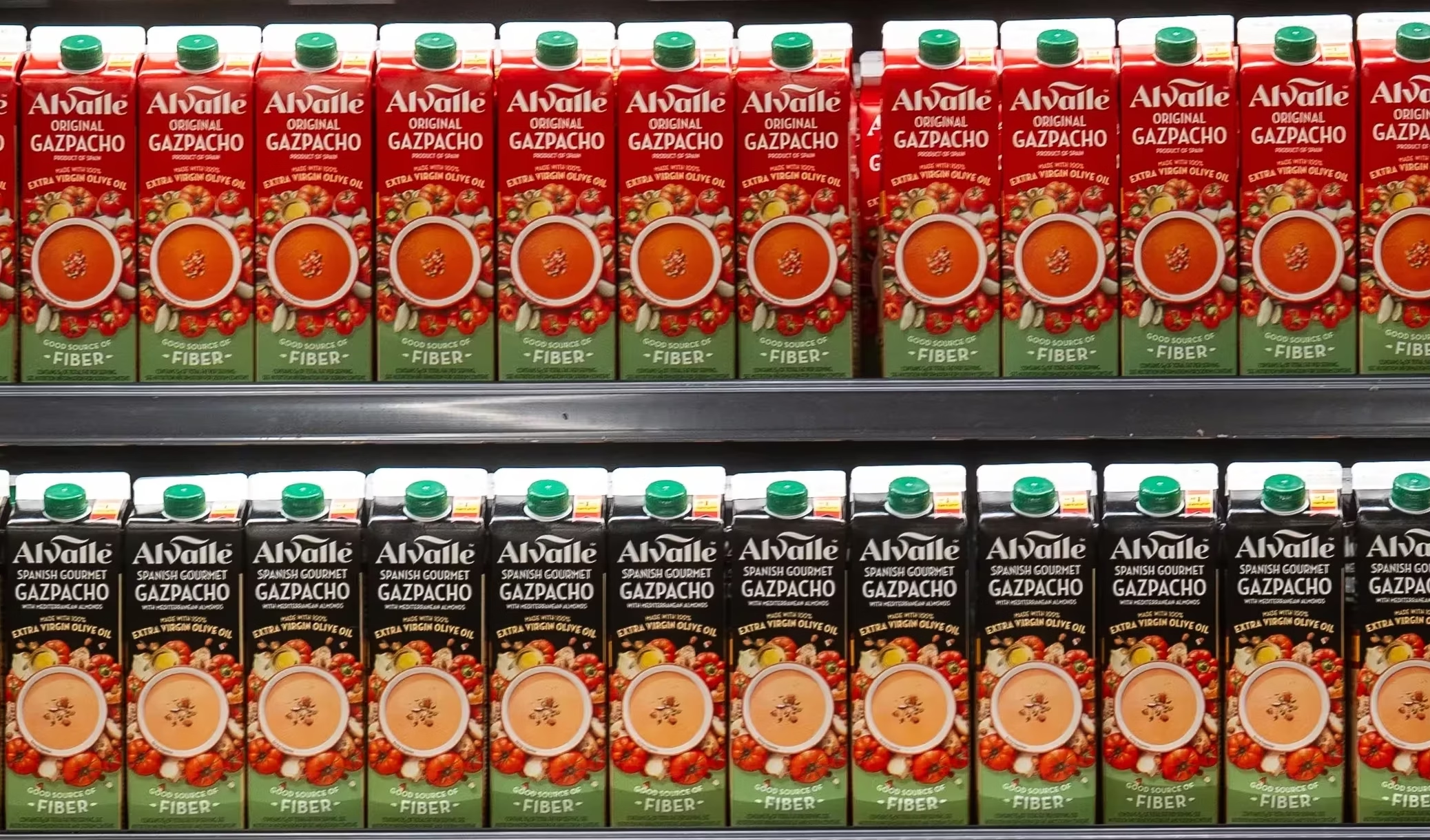
PepsiCo is counting on fresh food to unlock its next phase of growth.
This year, the CPG conglomerate brought Alvalle, its Spanish-based brand of chilled soups and gazpacho, to the U.S. for the first time. The company began to roll out Alvalle at select Whole Foods Market in August, as it tests how the brand’s various SKUs perform in different sections of the store. PepsiCo also expanded into refrigerated dips with the launch of its line of Tostitos-branded guacamole this year. This push comes at a time when PepsiCo as a whole has made several changes to its merchandising strategies to help boost sales, including slashing prices on items to attract price-sensitive consumers. The company’s latest earnings also show that its soda and chips sales are underperforming, thanks to inflation and consumers’ shifting diets.
Marisa Perez, senior vp and general manager of the Fresh Experiences Portfolio at PepsiCo Foods North America, told Modern Retail the parent company views refrigerated meals and snacks as a big opportunity to cater to changing consumer tastes.
“We like to call this our fresh experiences portfolio because it is really an evolution that’s reshaping the Pepsi Foods portfolio and grounded what the consumer is looking for today,” Perez said.
Perez added that one of the standout benefits in this refrigerated space is perception, with NRF data showing that 77% of consumers feel that food sold in the refrigerator sections to be of high quality. “They feel it’s worth paying more for, which makes sense as these products don’t have the same level of preservatives [as shelf-stable] and go bad more quickly,” she said.
PepsiCo also pointed to Numerator data showing that in 2025, visits to refrigerated areas grew 15% faster than those to the center aisles where PepsiCo sells its shelf-stable snacks and drinks.
Allvalle is already Spain’s top-selling gazpacho brand, and is popular in other European markets such as Portugal and France. It was first created as a family-owned brand in Murcia, Spain in 1991 before PepsiCo acquired it in 1999.
“It has been this hidden gem in our portfolio,” Perez said. And due to how the American consumer’s preference is evolving in the U.S., she said, “We’ve been looking around our own portfolio and realized it’s now time to bring this product to the U.S.” Following the national rollout at Whole Foods, Alvalle’s products will expand to other national retailers and grocery chains in the coming months.
Perez said that with Alvalle offering a few different pack sizes, including individual portions and large cartons of soups, she expects it to cater to consumers looking for light meals, snacks or side dishes.
Fresh dips and sauces is another area where PepsiCo sees opportunities to fill a white space. “What we see more from the consumer is a migration to fresh dips,” she said. Perez said, so far, the Tostitos guacamole line has received positive feedback from consumers as it rolls out to more retailers, such as Walmart and Kroger. More retailers will be added going into 2027.
As PepsiCo rolls out more fresh foods, the company is also ensuring that ingredient labels pass the standards for both natural and mass-market retailers. For instance, Alvalle just received the Non-GMO Project Certification, which will soon show up on the labels. Perez said the Tostitos guacamole is also Non-GMO Project Verified and made with no artificial colors, flavors or preservatives.
Vivek Gopalpuria, vp of product marketing at store operation planning platform Logile, said that in the last few years, fresh food has moved from being a department strategy to becoming a broader growth and differentiation strategy for grocery.
Refrigerators are increasingly where retailers can give customers a unique experience over competitors. “Shoppers are looking for value, but value is not simply the lowest price,” Gopalpuria said. “They also want freshness, quality and convenience.”
That is why fresh foods have become such an important growth opportunity, said Gopalpuria. Across many grocery chains, bakery, deli, prepared foods and grab-and-go can help drive traffic and loyalty and grow basket sizes.
“But that opportunity comes with complexity,” Gopalpuria said. For example, fresh and refrigerated foods have short shelf lives, variable customer demand and significant labor requirements. “The retailers that win will be the ones that can turn growing consumer demand for fresh food into a consistently great and profitable experience,” he said.
Perez said the biggest departure for PepsiCo in growing this portion of the business is the complex supply chain.
PepsiCo’s global distribution and trucking fleet largely support shelf-stable packaged food and beverage products. But that’s been changing in recent years, as it takes on perishable foods.
“We’re literally importing this product from Spain with boats crossing the Atlantic,” she said. That makes the perishable items more prone to spoiling as they make their way to U.S. shelves. However, Perez said that through the full acquisition of hummus brand Sabra in recent years, the parent company has learned more about the refrigerated supply chain.
“The quality and the convenience are what consumers are looking for in this space,” Perez said. “And they want versatility that fits into their lives easily.”