


Beyond the backlash: What the Neutrogena controversy says about long-term brand loyalty
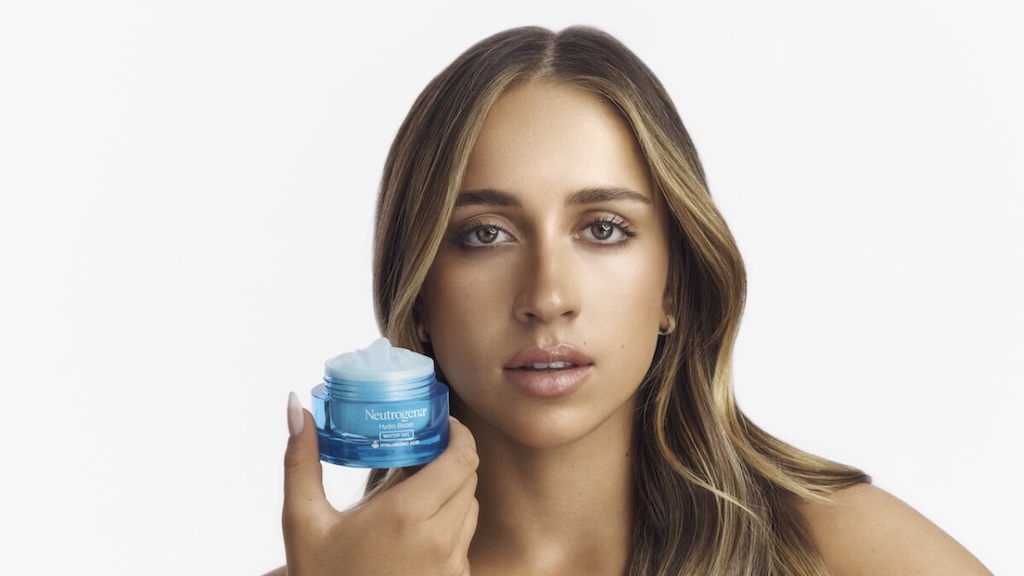
This week, Neutrogena is facing social media backlash following the tragic passing of actress and former brand ambassador Hayden Panettiere.
The social media reactions, led by a number of creators and fans, specifically criticize the skin-care giant for cutting ties with Panettiere back in 2015, following her public discussion of experiencing postpartum depression. Earlier this year, Panettiere recounted the experience in her memoir of Neutrogena having attempted to end their 10-year partnership after she disclosed mental health struggles. At the time, the actress’ representative prevented the immediate termination, but months later, Neutrogena did not renew her contract.
The backlash comes on the heels of Neutrogena’s lighthearted incident featuring current brand ambassador Tate McRae misusing the brand’s makeup wipes. Neutrogena is not the first brand to face social media-led backlash and calls for a boycott, as shown by similar calls against companies like Target last year. But with Neutrogena being a major global beauty brand, the situation stands out as a high-profile example of fans quickly calling out a brand for past blunders. In other examples, brands like Naturium and Youthforia found themselves in hot water with consumers threatening to boycott them. Eventually, Youthforia shut down a year after getting embroiled in a controversy over its sale of a jet-black foundation shade.
Manica Blain, an angel investor in beauty brands and founder of Top Knot Ventures, said influencer culture and the rise of founders building brands in public has primed beauty brands for potential backlash.
“Virality cuts both ways, whether good or bad,” Blain said of Neutrogena’s week of whiplash publicity. “Oftentimes, there is little bandwidth for remembering these things,” Blain said, pointing to the recent Patrick Ta “transition bush” controversy.
“That was only a couple months ago, but he seems to have already recovered,” Blain said. “There is also a sense that us as consumers are becoming numb to moral claims from brands, both positive and negative.”
In the case of Neutrogena, Blain said it’s difficult to say whether the Panettiere-related controversy will have a long-term impact on actual sales. As of Wednesday afternoon, shares of parent company Kenvue Inc. fell as markets reacted to the renewed publicity.
But brand image damage is possible. Blain also noted that the ongoing Lindsay Clancy trial, involving a case of severe postpartum depression, is likely also fueling the strong public reaction to learning about Neutrogena’s alleged move.
As tributes to Panettiere poured in online, clips and news stories recounting her past struggles quickly resurfaced, including the ending of the Neutrogena partnership. According to analytics platform PeakMetrics, from August 16 through noon Eastern on August 18, online conversation around Neutrogena increased by 47,661% across X, Reddit, TikTok, Instagram, Facebook, Bluesky and Threads.
Among posts criticizing Neutrogena, PeakMetrics shows that 65% focus on postpartum depression or perceived mental-health discrimination. Many users argue that Panettiere was allegedly penalized for speaking honestly about her mental health and point to the broader stigma women face when discussing postpartum depression.
Nick Loui, co-founder and CEO at PeakMetrics, said PeakMetrics’ LLM-powered tracking, which works like an AI analyst reading and tagging every piece of content, helps distinguish the tone and intent behind negative posts about brands.
The PeakMetrics tracking showed that unfavorable conversation rose from 72.5% to 79.5% over the 24 hours following reports of Panettiere’s death, with neutral and favorable discussions shrinking as more posts revisited her claims over the partnership’s ending. PeakMetrics also showed that “cancellation” or boycott intent increased from roughly 40% to 45% of the conversation.
Loui noted that, interestingly, there is little overlap between the McRae and Panettiere conversations online. And the contrast shows how much brand partnerships, and the broader conversation around postpartum depression, have changed since 2015. Social media has pushed more open conversations around maternal mental health over the past decade, and there is a greater expectation that brands will support their partners through difficult moments.
As such, brands are also increasingly expected to approach these sensitive topics with the right PR tone.
Lauren Cobello, PR expert and CEO of Leverage with Media PR, said it’s notable that “Neutrogena has been completely silent since the crisis began,” failing to meet one of the basic pillars of crisis PR: to contain the situation and have a response prepared.
“Their silence dates back to at least May, when the subject publicly stated on the Jay Shetty podcast that Neutrogena had ended her contract,” Cobello said.
That has continued since the actress’s death over the weekend. “A genuine, emotional human response goes a long way in crisis situations, and Neutrogena has offered neither,” Cobello said. A press release alone won’t cut it, Cobello said. “The conversation is happening on TikTok, and that’s where Neutrogena needs to show up with a public apology.”
Kenvue, Neutrogena’s parent company, could not be reached for comment.
At this point, the company may have missed the boat on stopping the backlash completely. “The path forward requires showing up, owning it, naming a specific action, setting a date and then actually delivering on it,” Cobello added.
Blain said brands will continue to be forced to navigate a spectrum of controversies on social media, from short-term incidents that blow over quickly to the more serious backlashes with permanent brand damage. The Neutrogena situation will likely provide a major lesson in negative consumer publicity, Blain said. “But, overall, it seems like many social media reactions are fleeting these days,” she said. “And that’s also true for positive viral brand moments.”