


Designing products with GLP-1 users in mind helped Kate Farms expand its Walmart presence
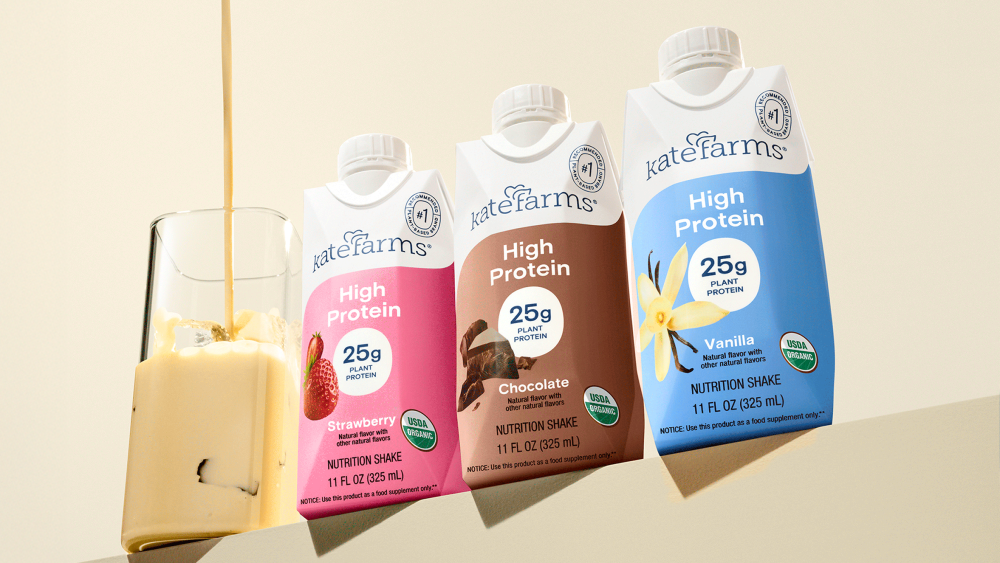
Nutrition company Kate Farms is bringing its protein shakes to thousands of mass retail shelves this summer, aiming to tap into the growing demand for supplement products from GLP-1 users and increasingly label-conscious customers.
Last year, Kate Farms launched protein shakes as part of its quest to target a more general consumer audience beyond its core products meant for tube feeding and medically necessary supplements. The company specifically formulated the shakes while considering the needs of GLP-1 users with a reduced appetite: The dairy-free, sugar-free shakes have 25 grams of plant-based protein, 6 grams of fiber, and 27 other vitamins and minerals, with 160 calories.
This month, Kate Farms’ shakes are expanding from just under 1,000 Walmart stores to 3,879 Walmart locations. The company is also adding distribution in several thousand CVS locations, bringing its total retail store count to 6,800 locations by August. The rollout includes chocolate and strawberry shakes, as well as a new vanilla version.
But going into mass retail means more than just repackaging its existing products. Catherine Hayden, evp and chief marketing officer at Kate Farms, said the company specifically designed its shakes for a mass audience, whether that’s someone looking for more protein or easy-to-digest calories, or those on weight loss journeys. Some product marketing carries callouts like “Designed to support nutrition during GLP-1 use when your appetite may be reduced.”
“We knew that there was a broader range of health needs, where there are those who are focused on their health journey, however they define that. Maybe you’re on a GLP-1, maybe you have allergies, maybe you just need the convenience of a nutrition shake in the morning,” she said. “That really sparked making sure that we had the right product offering and launching at retail.”
Kate Farms launched in 2012 with organic and plant-based products for pediatric tube feeding. It then expanded into adult nutritional needs before targeting a broader consumer audience. Last year, Danone purchased a majority stake in the company as it looks to grow its own specialized nutrition vertical. Beyond the retail expansion, Kate Farms has grown its Amazon presence more than 50% year over year and has an 80% repeat purchase rate on its website.
The evolution of Kate Farms from a medical-focused company to a mass retail CPG player points to the growing demand for products that cater to audiences on GLP-1 medications. New survey results from PwC show around one in five U.S. households have a GLP-1 user, more than double the 9% noted in January 2025.
At the same time, though, the CPG market hasn’t necessarily caught up: 80% of people who are currently taking GLP-1 drugs said they are piecing together their own routines with supporting products, “signaling a wide-open opportunity for brands to deliver an integrated wellness experience,” PwC found. About 35% of those surveyed said they’re buying more protein-packed foods, 28% are buying more high-fiber foods, and 24% are purchasing more hydration or electrolyte drinks.
At Kate Farms, Hayden said one of the key moments for thinking about a new shake product was when its existing adult protein supplements started appearing in the Weight Watchers product database. Though there is no shortage of legacy protein players or startups looking to enter the space, she said Kate Farms could bring something specifically formulated for GLP-1 users given its expertise and experience thinking about shakes from a medical standpoint. “Protein is important, but it is one component,” she said, pointing to the importance of fiber and zero sugar.
Kate Farms spent over a year developing its high-nutrition protein shakes with clinicians and dietitians. But taste was also a critical area of focus. While the shakes launched in chocolate and strawberry in mid-2025, the vanilla version that’s out this summer took an extra year to get the taste right, Hayden said. The Kate Farms team conducted over 600 taste tests with 800 flavor iterations, tapping both general audiences and GLP-1 users to see whether the medication might impact taste. The biggest challenge was ensuring there was not the “chalky” aftertaste that’s sometimes associated with vanilla protein. “We were committed to not launching vanilla until it was extraordinary, and it is,” Hayden said, comparing the result to a toasted marshmallow.
Outside of getting the product right, Hayden said the biggest challenge in going into mass has been brand awareness. Kate Farms’ supplements and tube feeding products are used in over 1,500 hospitals and often recommended by doctors for tube-fed patients, giving it a patient-centric base that is the core of its business. About 50% of its online DTC business comes from customers who received a recommendation from a health-care provider, and word of mouth has been its biggest overall customer acquisition driver. So when its kids’ nutrition products first launched in retail late last year, the company quickly learned that standing out on shelves requires thinking differently about how to get the brand on customers’ radars, Hayden said.
To bolster the mass retail launches, the company brought on a vice president of brand, Nicole Williams, last summer. It has also put 30% more marketing dollars into brand marketing, supporting new campaigns and its first-ever OTT ads, Hayden said. While the shakes in Walmart and CVS don’t specifically say they’re marketing to GLP-1 users, as Hayden said, they can be used by anyone looking for everyday nutrition supplements. But some online marketing does carry callouts around the specific amounts of protein and fiber, plus that there are no artificial dyes or sugar.
Medical credibility and clinical recommendations are still key as far as messaging is concerned, Hayden said. Shoppers who are on GLP-1 medications or tackling a nutrition regimen are reading labels and want to know the specifics of what they’re taking, she said.
“Protein may have been the stopping power, but it goes beyond that. They want no sugar, they want fiber, and they want to go deep into the science and the research behind it,” she said. “As we think about our next phase of brand expression and communication, we’re thinking about how we provide that information and show up as a source of authority and a resource.”