


Kroger brings its near-expired food to Flashfood app in 100-plus stores
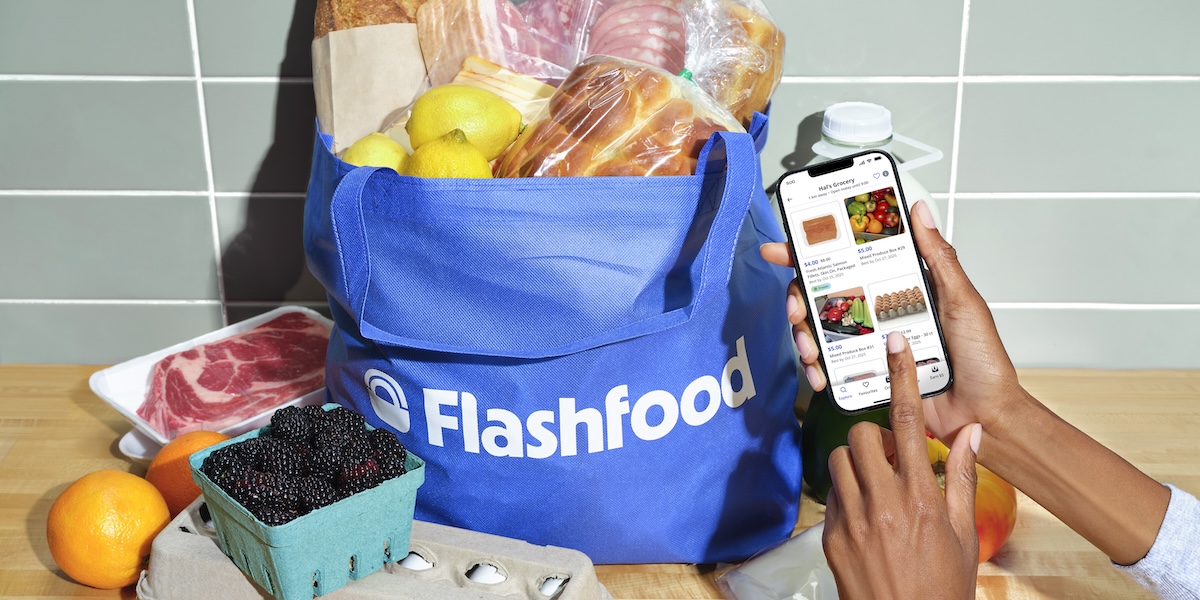
Kroger has partnered up with a fast-growing mobile app to turn what would have been food waste into an extra bit of profit.
The app, Flashfood, is a marketplace for grocers to sell almost-expired food before it goes to the landfill. The app sells produce, meat and dairy nearing its best-by date. Shoppers can download the Flashfood app and look at items, just like on Instacart or any other grocery marketplace, and then pick them up in stores. The company says, since its inception close to a decade ago, it has diverted 170 million pounds of food to customers instead of landfills.
With Kroger, the app has now caught the attention of one of the nation’s largest grocers. The grocer piloted Flashfood in 16 stores in Richmond, Virginia last summer and is now implementing it throughout its Mid-Atlantic region. That includes more than 100 stores across Virginia, West Virginia, Kentucky, Ohio and Tennessee.
“Flashfood, first and foremost, meets customer needs by providing fresh, affordable, quality groceries that help them stretch their dollars and even potentially improve variety in nutrition in the meals they’re able to afford to serve to their families,” Kate Mora, president of Kroger’s Mid-Atlantic division, said in an interview. “This is often food that would go to waste, and now through this process, we divert that food away from a landfill and into somebody’s grocery cart.”
To implement the app, Kroger has installed coolers and racks in participating stores to house goods to be sold on Flashfood. Products across different fresh and dry grocery departments — especially meat and dairy — will typically be placed on the marketplace for up to 50% off on the day they expire. This is usually food that was already marked down for a couple of days before its expiration date and didn’t sell, Mora said.
According to Mora, during the pilot in Richmond, Kroger and Flashfood diverted more than 320,000 pounds of what would have been food waste.
“We are able to reach more customers through their app and offer even more affordable fresh groceries, … that can help our customers feed their family, have a nutritious diet and maybe more variety available in their weekly food plans,” Mora said. “Less food in landfills is something we all want, so we’re really proud of the impact we’re able to make there.”
Flashfood is currently in about 2,000 locations across North America; it has also worked with Loblaws, Meijer and Giant Eagle, among others. It launched about nine years ago in Canada and about four years ago in the U.S. Jordan Schenck, CEO of Flashfood and former head of global consumer marketing at Impossible Foods, told Modern Retail she expects the app to surpass 3,000 stores this year.
Schenck said grocers, after donating some products, “still have this massive volume of food that’s finding its way to landfill, just by the nature of, specifically, fresh food.” The U.S. Department of Agriculture estimates up to 40% of the food supply is food waste. This comes as consumers in this economy are often trying to stretch their dollars.
“We should not be wasting at the volume we have with the amount of people that need access to [food] and are feeling that pinch,” Schenck said. “We’ve historically been able to mobilize that inventory that used to just be a complete write-off into a store traffic driver.”
Anne Mezzenga, founder and CEO of Retail Field Report and a former Target executive, said the moves grocers have made to improve inventory visibility have made it easier to deploy an app like Flashfood. These moves include putting RFID stickers on meat products and having shelf-roaming robots like those from Simbe Robotics track out-of-stocks and expiration dates.
“When Flashfood came online and was doing pilots years ago, I don’t think it was ready for enterprise because of the resources it required to get a handle on inventory,” Mezzenga said. “Now, as technology for inventory management, for task prioritization and for out-of-stock visibility has become more affordable, … [grocers] are now able to have a better picture of [out-of-stocks and wasted food] and are now able to pass those options or opportunities onto their consumers through an app like Flashfood.”
For example, Mezzenga said it’s now more possible for grocers to see if they have excess inventory, like a large amount of strips steaks they may have purchased for the Fourth of July that is all about to expire, and can quickly decide to put them on Flashfood.
“I think we’re going to start to see a lot more grocers start to look into this and invest in this, but it’s because they built the road with other technology for other purposes, like better planning, better out-of-stock management and better fulfillment for online orders,” Mezzenga said. “This is a really big bonus side benefit that they’re getting from this technology that’s better for the environment and better for their customers.”