


Why Ruggable’s Lauren Sherman is focused on resetting the balance of brand and performance marketing
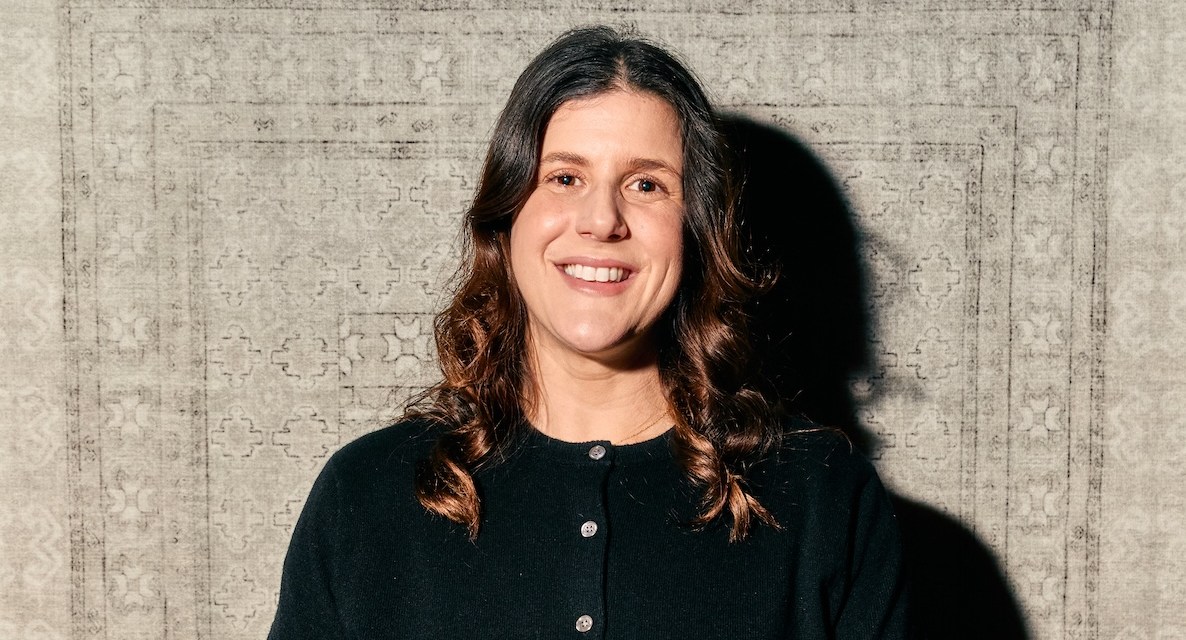
Lauren Sherman, chief marketing officer at Ruggable, says she stepped into her role at the company during a “deliberate reset.”
Sherman has been with Ruggable for seven months, having previously held marketing roles at AlterMe, Nike and Red Antler. Ruggable founder Jeneva Bell first came up with the idea for the brand in 2008 and, as Sherman puts it, the company’s journey is indicative of how a brand can take a “single functional insight” — in Ruggable’s case, the desire for a rug that can be easily cleaned in a washing machine — and use it to build a “category-defining brand.” These days, Ruggable is also known for its designer partnerships and collaborations with a wide range of brands, including Anthropologie and Netflix.
But, as Ruggable has grown up, it has had to rethink its approach to marketing. Sherman, in turn, has been tasked with reinvesting in Ruggable’s brand culture while “divesting from purely performance-led digital spend,” while also staying close to the consumer.
Sherman is one of the upcoming speakers at the Modern Retail Marketing Summit, taking place April 20-22 in Huntington Beach, California; brand and retail executives interested in attending can apply here.
At the event, Sherman will discuss how Ruggable balances brand and performance marketing, and her strategies for aligning teams around brand purpose, quickly iterating based on customer feedback, and building emotional resonance without losing performance.
Modern Retail caught up with Sherman ahead of the event to discuss what she’s thinking about as she takes over the marketing reins at Ruggable and why it’s only more urgent that marketers understand “real people” as the industry outsources more tasks to AI. This interview has been slightly edited for clarity and length.
What marketing goals and initiatives are you focused on for 2026?
“In 2026, my marketing focus is centered on building a more consumer-led creative organization, one that listens closely, iterates quickly and evolves in real time based on insight rather than instinct. This means making intentional tradeoffs, shifting more of our investment from short-term channel performance (even if it means stepping back from channels delivering near-term returns) into brand-accretive initiatives that build deeper, more durable consumer relationships. I am excited to fund more real-world activations, in-person experiences, and community-driven moments that strengthen emotional connection and brand meaning.
This year, my role was expanded to oversee all textile creative as well. We want to anticipate our consumers’ next favorite collection, so the insights we gather from each launch are utilized constructively to work towards this. We believe design should represent the lived experiences of our consumers, from patterns and fabric choices to how we showcase our products across campaigns.
Ruggable’s journey is a strong example of how a single functional insight, washable rugs, can grow into a category-defining brand when you consistently translate product innovation into cultural relevance and emotional resonance. I believe lasting growth happens when functional breakthroughs are developed into brand meaning, so the work in 2026 is about continuing to scale performance while deepening connection, relevance and long-term brand equity.”
How would you describe your brand’s approach to marketing?
“Over the past year, there’s been a deliberate reset. We are intentionally divesting from purely performance-led digital spend and reinvesting in our brand culture. We are ensuring we are aligned in understanding who our customer really is, what she cares about and how Ruggable shows up in her life beyond a transaction.
Today, our marketing approach is centered on building real consumer connection: design-led storytelling, partnerships that help characterize who and what we admire, and experiences that entrench our partners and consumers in our culture. Performance still matters, but it now sits downstream of the brand, not the other way around.”
Do you have a favorite marketing campaign or initiative you’ve worked on at your company?
“I joined Ruggable late last summer, and we are on the precipice of some really exciting and different initiatives, so I don’t want to jinx myself by picking a favorite just yet!”
What do you feel is the biggest challenge marketers face today?
“Today’s marketers have to learn AI inside and out. We need to understand how it can automate processes, remove friction, reduce costs and help teams move faster and smarter. But at the same time, we need to remain the heartbeat of the company. Our guidance as marketers must also allow for a brand to stand in its humanity and showcase its taste and unique point of view so we can resonate and relate with our human consumer.
Amid the call for marketing functions to become more automated, data-driven and optimized, the risk we’re solving for shifts from efficiency to distance, and soon we’ll be looking for ways to get back in touch with our consumer, our humanity. I see marketers as the voice of the consumers inside the company. We’re responsible for deeply understanding real people and communicating their needs and emotions in a way that resonates. We then need to ensure the brand we’re building shows up naturally and meaningfully in their lives. My point is, AI is a tool that can aid our processes. It is not a strategy, and human connection is still the work.”
Is there a recent campaign you saw from another brand that made you instantly think, “I wish I had done that?”
“I’m in awe of FIGS – Noah Wyle wore a tuxedo made by the scrubs brand to the 2025 Emmys, where ‘The Pitt’ star took home Best Actor in a Drama Series.”
Say you are at a cocktail party with a bunch of other marketers – what are the first things you want to ask them about?
“I always want to know how their org is structured – whether growth and brand sit together or apart, where creative and data live, and critically, where product sits in relation to marketing and brand. Having recently stepped into oversight of design and textile, I’m especially curious how other leaders cultivate real collaboration between product and marketing so the storytelling and the product roadmap are reinforcing each other from day one, not colliding at launch. How are they orienting their teams to drive shared accountability versus siloed excellence?
I also want to understand what percentage of revenue they’re investing in marketing and how that’s split across media, content, technology and talent, because that number alone signals how serious a company is about growth. And I always ask how they’re balancing brand and performance in practice, how they’re measuring incrementality and protecting long-term equity, and where AI is actually creating real leverage versus just noise.
To me, the operating model, especially the integration between product and brand, is far more revealing than any single campaign.”