


PepsiCo to slash prices, cut 20% of SKUs as CPG giants look for new growth levers
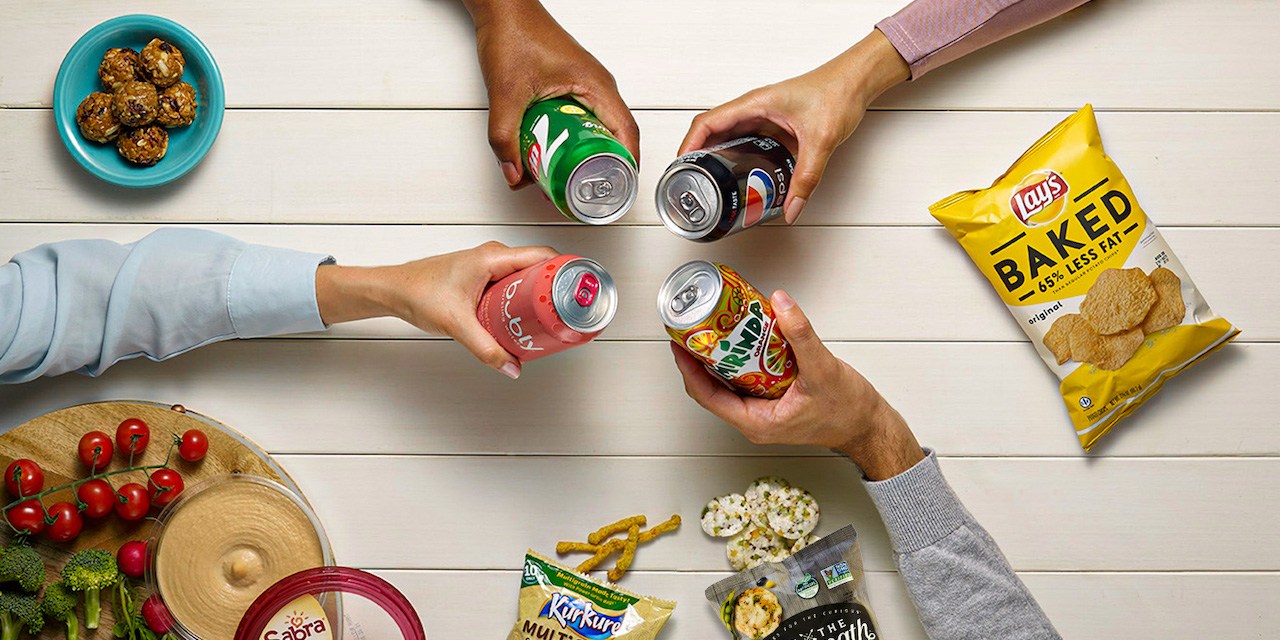
PepsiCo is working to cut prices across its product line as part of an agreement with activist investor Elliott Investment Management.
This week, the company announced a set of initiatives designed to reduce operating costs and lower prices. PepsiCo said it has already begun work to axe 20% of its soda and snacks lineup in the U.S. by early next year. In outlining these plans, the company said its big focus will be “implementing everyday value through a targeted approach on affordable price tiers by brand and channel.” This will go hand in hand with aggressively reducing operating costs and improving operations, which will require shutting down some production lines, resulting in layoffs. CEO Ramon Laguarta said the new strategy will “aim to accelerate organic revenue growth, deliver record productivity savings and improve core operating margin starting in 2026.”
These moves signal that the weeks-long discussions between PepsiCo and Elliott will likely come to an end soon. Elliott disclosed in September that it had taken a $4 billion stake in PepsiCo, and it pushed for the CPG giant to make a number of changes, citing “strained focus and execution.”
But it’s also indicative of the pressures CPG giants are under right now to respond to a number of challenges, like changing consumer tastes and rising prices. “While addressing price is important, especially in this environment where consumers are looking for value, it’s not sufficient to generate long-term growth,” General Mills CEO Jeffrey Harmening said during the company’s first quarter fiscal earnings in September. “And so, coming this year, we also said we’re going to invest significantly in innovation and new product news, new brand campaigns, and renovation across all of our top categories.” Harmening said General Mills would support these moves with holistic margin management.
Analysts who spoke with Modern Retail said they expect more food and beverage companies to revisit pricing and undergo strategic resets in 2026 and beyond.
As for product innovation, PepsiCo also plans to move into a better-for-you direction by rolling out several healthier versions of its snacks in the next year, including Doritos Protein, and growing the recently launched Simply NKD Cheetos and Doritos lines, which are free of artificial colors and flavors. PepsiCo and Elliot Investment Management are hoping these changes will help PepsiCo create efficiencies and sales by adapting to consumers’ tastes while bringing them affordability. PepsiCo now expects organic revenue growth of 2-4% in 2026, up from 1.5% in the first nine months of 2025.
According to PepsiCo, the savings from reducing operating costs and improving productivity will allow the company to further invest in advertising and consumer value. “For example, we have closed three manufacturing plants and shut several manufacturing lines this year, and are in the process of reducing nearly 20% of SKUs in the U.S. by early next year,” the company’s release said.
Amber Brooner is the Chief Revenue Officer at revenue management platform XTEL, which works with companies like Nestlé, Danone and Kraft Heinz on pricing strategy. Brooner said that PepsiCo’s price-lowering actions “reflect a broader strategic reset rather than a simple reversal of past increases.”
After several years of inflation-driven pricing, she said, shoppers’ elasticity and retailers’ pushback have become more apparent. In turn, PepsiCo is now looking upstream, at supply chain efficiency, packaging optimization, productivity and portfolio mix, to create room for price relief. “Companies are revisiting price investment now because sustained price increases have begun to erode unit volumes,” Brooner said, particularly as consumers trade down to private-label and value-focused brands. In many categories, she added, much of the topline revenue growth in recent years has been driven by higher on-shelf pricing, which hurt volume and repeat purchases.
PepsiCo’s new approach allows the company to protect margins while restoring value perception with shoppers and strengthening retailer relationships. “The move also signals a shift from relying on pricing as a growth lever,” Brooner said. Instead, companies like PepsiCo can compete on operational excellence, scale and precision pricing.
Modernizing snacks and beverages will also help PepsiCo better compete on changing dietary preferences, especially as the adoption of weight loss drugs continues among Americans.
Rick Miller, partner and marketing effectiveness practice lead at CPG consulting firm Big Chalk, said that national food and beverage companies have been recalibrating their portfolios for a few years to catch up with the times and combat inflation.
PepsiCo is now joining the trend to match changing expectations, from removing dyes and additives from its chips to creating a high-protein version of Propel’s hydration mixes. Miller said PepsiCo’s move into this better-for-you direction is in response to economic conditions and changing public health policies, as well as consumer demand. “I don’t think they are going to be the only ones making those types of decisions in 2026 and 2027,” he said.
Miller also expects CPG companies to keep tweaking serving sizes across packaged food and beverage. He said that, in light of inflation and changing dietary preferences, CPG companies have been offering downsized packs to health and price-sensitive shoppers. “People used to want more for less money, but that’s changing due to shoppers’ pure outlay of dollars,” Miller said. As in, if a customer only had a certain amount to spend on sodas and snacks per week, they’re going to purchase the volume they can afford on that budget.
Brooner expects more large CPGs to follow PepsiCo’s lead by reinvesting in affordability, but only where it can be funded through tactics like supply-chain simplification, revamped SKU offerings and increased productivity from automation. “As inflation moderates, retailers and consumers alike are pressuring brands to restore affordability and value perception,” Brooner said.