


How Playhouse MD is scaling after selling out twice and becoming a viral hit with parents
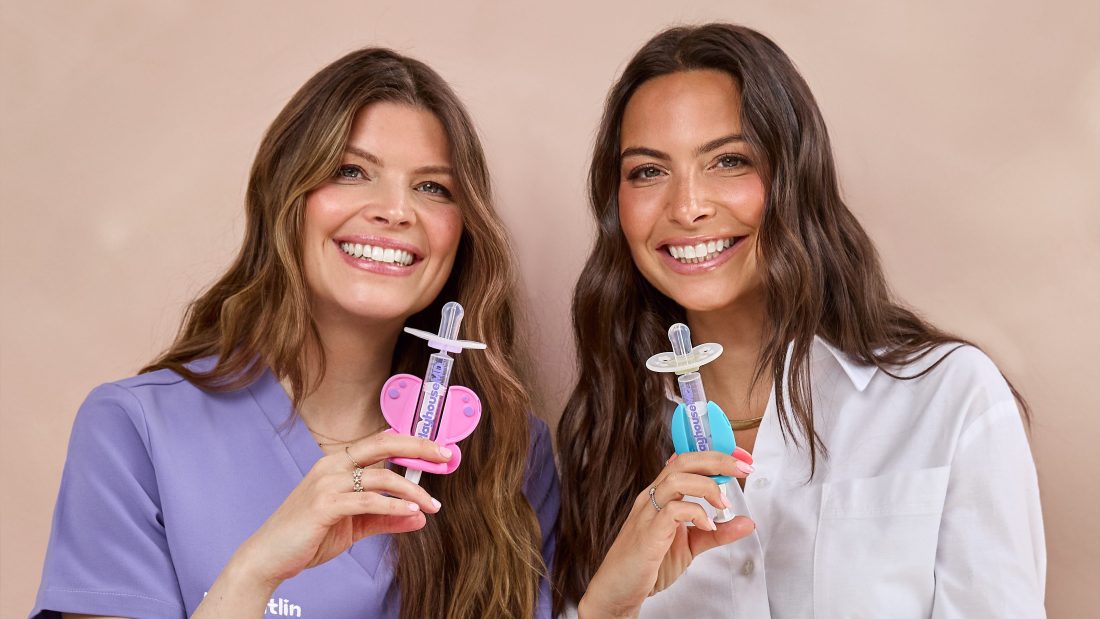
Since launching in June, Playhouse MD has twice sold out of its light-up nasal bulb in the shape of a narwhal.
Used to clear snot from little noses, the device has been a runaway hit with parents looking to make the onerous task a bit more fun and engaging for their children, moving over 30,000 units through its direct-to-consumer site, Amazon and a Target pilot.
But co-founder Sydney Wiseman said that level of success so quickly has also been one of the biggest challenges. Selling out means missing potential customers, breaking performance momentum that affects website rankings or burning through capital at an unsustainable rate to get more product manufactured.
“It’s expensive, especially as a startup, to not have product,” she said.
Wiseman, a toy designer by trade, launched Playhouse MD alongside her pediatrician sister Kaitlin in the summer of 2025. In addition to the narwhal, Playhouse MD sells medicine droppers that look like rocket ships and butterflies, and an elephant-shaped nasal aspirator. Overall, the company surpassed seven-figure revenue within seven months of launch and is seeing double-digit month-over-month revenue growth.
But behind the scenes, Playhouse MD is navigating the same growing pains many startups experience when they have to balance viral success with well-financed logistical operations.
Wiseman said one of the keys behind the brand’s rapid growth is not taking on too much too soon. For instance, the brand launched in Target last fall with 700 stores. Now it’s on deck to be part of the March children’s aisle reset in 1,500 stores nationwide. Its next drop is a giraffe-shaped thermometer, with a waitlist of over 2,000 customers who will be able to buy it on the Playhouse website before it hits Amazon and eventually Target.
“Our biggest challenge right now is forecasting everything we do,” Wiseman said.
The high costs of rapid growth
Wiseman’s first venture was the toy company Fingerlings, which launched in 2017 and has sold over 10 million units to date. But the medical device category has been a completely different animal to tackle, Wiseman said. Not only are there FDA approval timelines to consider in product drops, but also, toys tend to be seasonal purchases that spike around holidays — a medical device company serves a 24/7 need.
“Scarcity used to be amazing in toys. You were the item at Christmas, or this and that,” she said. “But in this category, when a mom’s baby is sick, she’s going to go buy the next best one.”
Before its launch, Playhouse MD raised a total of $5 million in seed funding, with investors like venture capital firm Grecroft and former Hasbro CEO Alan Hassenfeld. Its first successes were bred from viral TikToks showing how to use the product. But Wiseman knew the product was meant for Amazon, given the delivery speed.
Rather than become its own seller, Playhouse secured an exclusive distribution partnership for Amazon with McKesson Medical-Surgical in September 2025. This helped the company stand out in the endless aisle, while giving McKesson something new in its portfolio of around 300,000 products.
But startups in their first year don’t have their own benchmark to compare to. To help forecast inventory needs and navigate logistics, Wiseman relies on co-founder Michael Kamins, a former consumer products advisor at the venture capital firm Open Nest who was also a partnership executive at ByteDance.“All of that has been really a big learning curve, and I’m thankful to have an amazing operator who is looking at our monthly burn to the point of, ‘We spent $50 too much this month,'” she said.
They forecast growth based on the idea that there are about 4 million babies born in the U.S. each year and figuring out what that could yield, in terms of narwhals sold plus new items added each year.
Because there’s no other company selling a nasal bulb in the shape of animals, so predictions are just that. “We’re trying to figure out what our monthly production forecasts are to have the factories always on,” Wiseman said.
Noah Bremen, founder and CEO of the omnichannel growth partner Pltfrm, said one of the biggest challenges companies face when going beyond online channels and into a retail partnership is making sure they have a full account of their product costs and the new expenses they may have to deal with. That includes slotting fees, plus costs to increase their production. Then there are potentially overlooked costs, like returns, and payment schedules to consider.
“We’ve seen great brands stumble from a financial standpoint, or they panic and they have to raise,” Bremen said. “Then these founders lose a little bit of control, and they lose a lot of equity.”
In the case of Playhouse, Bremen said the playful qualities of the product will help it stand out next to the plain medical-grade devices.
“If they don’t have that customer who will actually pull it off the shelf, and if they don’t have the capabilities to actually ship in time, on time, in full, it becomes a disaster,” he said. “And that’s not great for them, and it’s not great for the retailer.”
What’s next for Playhouse MD as it scales
From a channel standpoint, Wiseman said the goal is to get Playhouse MD anywhere a parent may need it on demand. The partnership with McKesson Medical-Surgical also opens the door to additional B-to-B sales, such as pediatric offices and hospitals.
Wiseman also said she’s interested in working with other inventors who have ideas for creative, playful medical or wellness devices. She sees the potential for products related to hair brushing, nail trimming or other use cases beyond when a child is sick.
“Right now, I’m happy to pay someone a little bit externally or give someone a royalty externally to bring in a new product, rather than collapsing my whole system and running out of money too soon when I have priorities that I need to focus on,” she said.
But any expansions are contingent on making sure the company can continue its original success. Wiseman doesn’t want to jeopardize the success of the narwhal by putting resources into new products that may or may not be a hit, when there’s potential to put more muscle behind getting more narwhals into people’s homes.
“It’s an art, not a science, and we’re learning every day based on our rate of sales,” Wiseman said.