


Brands face death by a ‘thousand cuts’ as supply chain pressures and material costs eat into profit margins
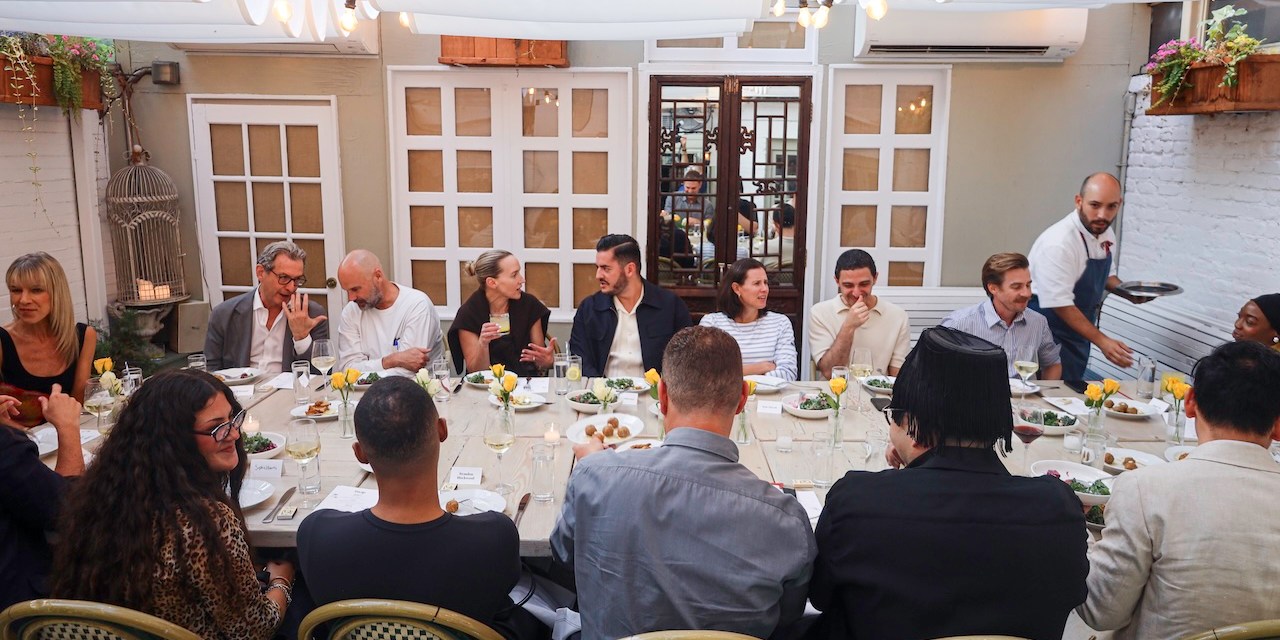
At a recent Brand Leaders Dinner hosted by Modern Retail and our sister publication Glossy, leaders from brands in the fashion, beauty, home and CPG spaces came together to discuss some of the challenges facing their respective industries. The dinner was hosted in collaboration with the e-commerce tech company Swap.
One of the common themes of the evening was just how much retail today is a battle of inches. Margins are being eroded little by little by third-party fees, tariffs, rising operating costs and a thousand other small things.
“We’re seeing a lot of margin erosion in the business,” said one attendee, the founder of brands in the fashion and CPG spaces. “From supply chain pressures to raw material costs to shipping costs, there’s all this pressure from the margin standpoint. We are in a space where pricing is really sensitive. We don’t want to risk our prices just to make up the margin. Something we’re thinking about a lot is how to get more efficiency out of the business. We did end up raising our prices a little bit, which releases some pressure, but you can’t go up and down too much in price without confusing the customer.”
The dinner was conducted under Chatham House Rules, meaning attendees can be quoted anonymously, without mentioning the companies they work for. Attendees came from a wide variety of businesses, some with hundreds of millions of dollars in revenue while others were at an earlier stage.
Another attendee echoed the “thousand cuts” feeling of the business today, but said the goal is small, incremental steps toward better margins and profits. He mentioned that his brand doesn’t do any promotions beyond 10% for giving an email address and a few loyalty program perks, and noted how hard it is to grow as a full-price brand without relying on promotions.
“Between Google and Reddit these last few years, I liken our existence to rearranging the furniture in the living room,” he said. “We come back, and the room is exactly the same, but we’re trying to find growth through rearranging, moving pieces around, wherever we can.”
Frustration over diminishing returns on big platforms like Google, Meta and TikTok was also a recurring refrain during the course of the dinner.
“Between Meta and the other platforms, I’m spending all this money and just hoping to get, like, $2 of ROA,” another attendee said. “We spend money here, we’re promised a certain result, and we don’t always see it.”
The same attendee did mention having success making money from posting on YouTube — and not just from a marketing return standpoint, but from the content itself making money for the brand.
“There is room for money out there if you find these little pockets where your customers are,” she said. “It’s all about finding these niche platforms that you maybe didn’t think anyone would be interested in. They can be really great.”
Another attendee said about 85% of their business is driven by Meta, which they are trying to diversify.
“Our new customer age has increased by about 20 years over the last 12 months, which is in part a factor of who has money to spend but also very Meta-driven,” he said. “We want to make sure we’re welcoming to that [older] customer, but we don’t want to lean in too much for the brand because we do want younger customers in our base, too.”
Lastly, a common theme that has been evolving slowly over the last few years is exactly how brands can make the most of AI. The early days of generative AI made the possibilities seem limitless, but with harsh consumer reactions to AI and AI companies raising service costs, brands are still struggling to find the most cost-effective and brand-safe way to use the tech.
“[Our designer] posted an image with an AI model, and our customers, who are very loyal and very vocal, were completely and totally against it,” one attendee, a vp of a well-known fashion brand, said. “Some brands can get away with it, but we know now, with our brand, people don’t even want us to touch it. So, staying true to our brand voice, talking to our customers, getting their input — that’s all important, and we don’t want to lose it.”