


Retail’s new operating model centers on leaner teams, smarter data and physical community
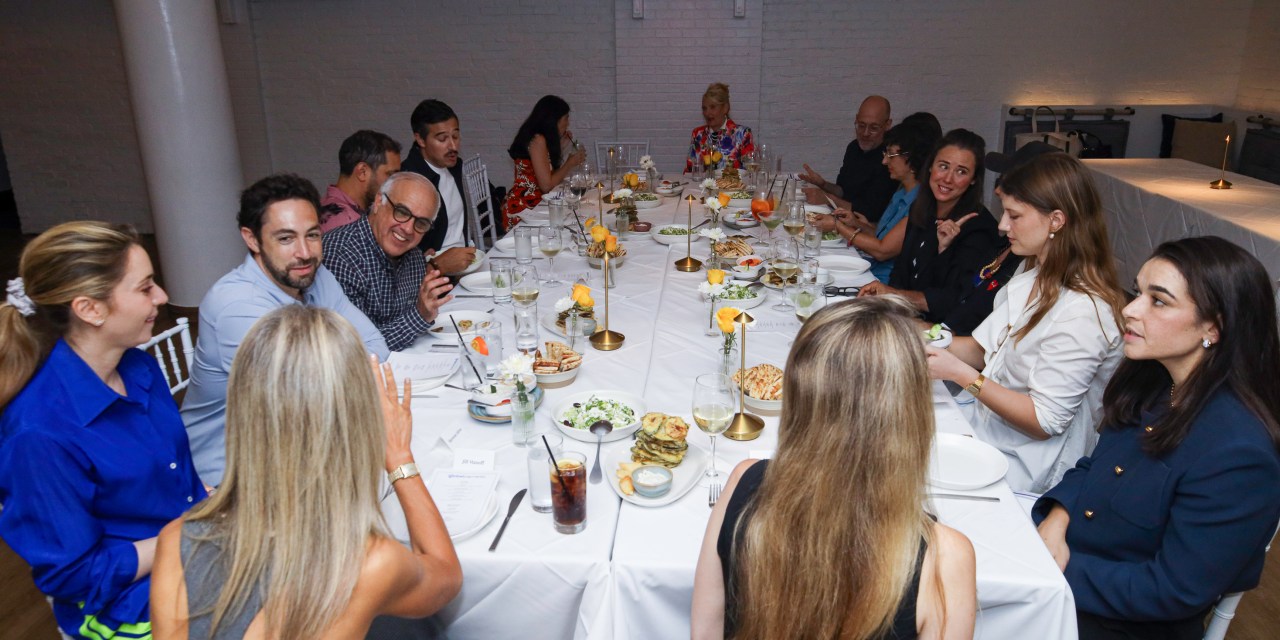
At a recent Brand Leaders Dinner hosted by Glossy and Modern Retail, in partnership with Global Payments, founders and C-suite executives from across fashion, beauty and retail gathered to discuss the pressures shaping their businesses, from artificial intelligence and changing hiring plans to the rising cost of building awareness at retail.
The discussion was held under Chatham House Rules, allowing attendees to speak candidly without their comments being attributed to them or their companies.
The clearest change between the conversation at a Leaders Dinner in April was in the way executives spoke about AI. Rather than treating it as an experimental marketing tool, several said they are beginning to use it as core business infrastructure.
One brand had built an internal intelligence platform connecting fulfillment, paid media, customer reviews and conversations taking place on platforms including Reddit. The goal was to identify correlations across the business and uncover opportunities to improve performance.
That work is already affecting its hiring plans. “We’re learning what can be automated and what can be streamlined,” one executive said. “We’ve had roles up on our hiring account that we’ve taken down once we figured out that we could do something more efficiently.”
Another executive said AI had allowed the company to combine previously siloed e-commerce and physical retail data without the six-figure technology investment that doing so had once required. The executive built the system in approximately three weeks. “The amount of stuff that you’re capable of doing is mind-boggling,” the attendee said.
Others are using AI more selectively. One founder said the technology has helped the business with internal systems, copy and operational efficiencies, but that the company avoids using it for consumer-facing creative work.
“In the beauty world, and especially among Gen Z, it has a negative repercussion,” the executive said. “We’re very sensitive to that internally and externally.”
In addition, in relation to AI, executives raised concerns about employee resistance, data security and the risk of teams trusting inaccurate outputs. One founder hired an HR consultant to interview employees about how they were already using AI and what concerns they had. The company then developed internal guidance and workshops to help the team adopt the technology collectively.
“Everyone thinks everyone else is more advanced in AI than they are,” one attendee said.
While AI dominated much of the discussion, it also reinforced the value executives placed on the parts of their businesses that could not easily be automated. Those included physical stores, craftsmanship, community events and direct relationships with customers.
One founder described opening a store that was initially expected to function mainly as a branding exercise. Instead, the space became a meaningful discovery and customer-retention channel. In its first three months, the company hosted nine events, turning the store into a place where customers could spend time, experience the products and learn the brand’s story directly from its founder.
Another executive said physical retail is becoming increasingly important as online shopping becomes more focused on intent. AI may help consumers find the exact product they are already searching for, but stores still allow them to browse products and brands they did not know they wanted.
“People are missing the idea of curation, the idea of discovery and just the joy of shopping,” the executive said. That opportunity comes as brands face growing pressure to generate demand for retailers themselves. Multiple beauty executives said major retailers increasingly expect brands to fund marketing, create social content, educate store associates and drive customers into stores.
“Retailers used to help brands build awareness, and now they don’t,” one executive said. “They expect the brands to do all of the work, including staffing their stores.”
Another attendee offered a more measured view, noting that brands must assume retailers will ultimately prioritize their own businesses. “I think every retailer is going to be out for themselves,” the executive said. “You have to always have that in the back of your mind wherever you decide to sell.”
That has made decisions around creator marketing, affiliate platforms and public relations more complicated. Executives discussed the difficulty of measuring PR results, the cost of licensing editorial award logos and the risk of paying affiliate commissions on sales that may have happened regardless.
One attendee said the company had reduced its affiliate spending while increasing the channel’s profitability by distinguishing between new and existing customers. “A lot of affiliate takes credit for things that you don’t need them for,” the executive said. “A year ago, we were just happy for the revenue, but in the end, it wasn’t real momentum.”
The group also discussed the pressure to discount across platforms including TikTok Shop, where promotions can help brands generate attention but may train consumers to wait for deals. Several executives said their companies were attempting to reduce discounting or avoid channels where promotions could weaken their positioning.
For many of the executives around the table, the challenge is no longer whether to use AI, physical retail, creators or affiliate marketing. It is determining how each tool supports a business that remains differentiated as competitors gain access to the same technology.
“Whatever advantage you build out on AI is going to be the same for competitors,” one executive said. “The opportunity is also in the things that are not disruptable.”
As AI becomes increasingly standardized, the consensus was that products, expertise and community will matter more, not less. Technology may allow companies to operate with smaller teams and make decisions more quickly. But the brands most likely to stand out will still be those that give consumers a reason to care beyond convenience.
As one attendee put it, the goal is to use AI to free up resources for “what we do best,” rather than allow the technology itself to become the brand’s primary point of difference.