


Target makes the case for how it will ‘reclaim its merchandising authority’ at annual investor day
For Target, 2026 will be the year that proves whether its new CEO, Michael Fiddelke, has zeroed in on the right growth plan.
After reporting a 1.7% sales decline between 2024 and 2025, Target is projecting that 2026 will be the year it returns to growth. The company said on Tuesday during its fourth-quarter earnings report that it expects net sales to rise around 2% in 2026.
And during an investor meeting that Target hosted at its Minneapolis headquarters, senior leaders made the case for exactly how the company plans to drive that sales growth by touting the investments (and, in some cases, resets) it is making in one of its most crucial departments: merchandising.
Fiddelke said in August that one of his top priorities is helping to Target reclaim its authority in merchandising. Target — which has earned the moniker “Tarzhay” for the success it has historically seen from investing in products that appeal to a budget-conscious customer who still cares about style and design — has struggled in some categories in recent years. In the home category, Target has seen its market share decline. In apparel, the company has acknowledged that it needs to respond to trends more quickly. And Target is losing a key partner in beauty as Ulta winds down its shop-in-shop partnership this year.
Against the backdrop of these challenges, senior merchandising leaders in five key areas –— food, beauty, home, apparel and hardlines, or what the company has started referring to as “Fun 101″ — made the case on Tuesday for Target reclaiming its merchandising authority. In most cases, that meant moving faster and responding more quickly to trends, while also presenting a more curated approach in stores.
Target has further to go in some categories than others. In home, the company has “lost meaningful share over the past two years,” its new SVP of merchandising, home Mara Sirhal, acknowledged, adding, “That is on us.”
She said that Target is in the “middle of a multi-year reset,” but that shoppers will see meaningful change in stores starting in June. As just one example, Target is relaunching its private-label home brand, Threshold, and introducing new shop-in-shops. In categories like bedding, Target is cutting 10% of SKUs to better focus on style and design, Sirhal said. “For us to lead with merchandising authority, edit[ing] is really critical,” Sirhal said. Kitchen and dining, meanwhile, will get an overhaul in 2027.
In apparel, one of Target’s big priorities is moving faster and responding to trends more quickly, the company’s SVP of apparel and accessories, Gena Fox, said. As just one example, the “edit story” section of Target’s apparel department — which focuses on trending themes and styles like Westernwear — is being changed out every 4 to 6 weeks, compared to 6 to 8 weeks previously. Over the past year, Target has introduced new proprietary technology called Trend Brain to scour things like social media, runway trends and consumer conversations to more quickly understand “what is rising to the top,” Fox said.
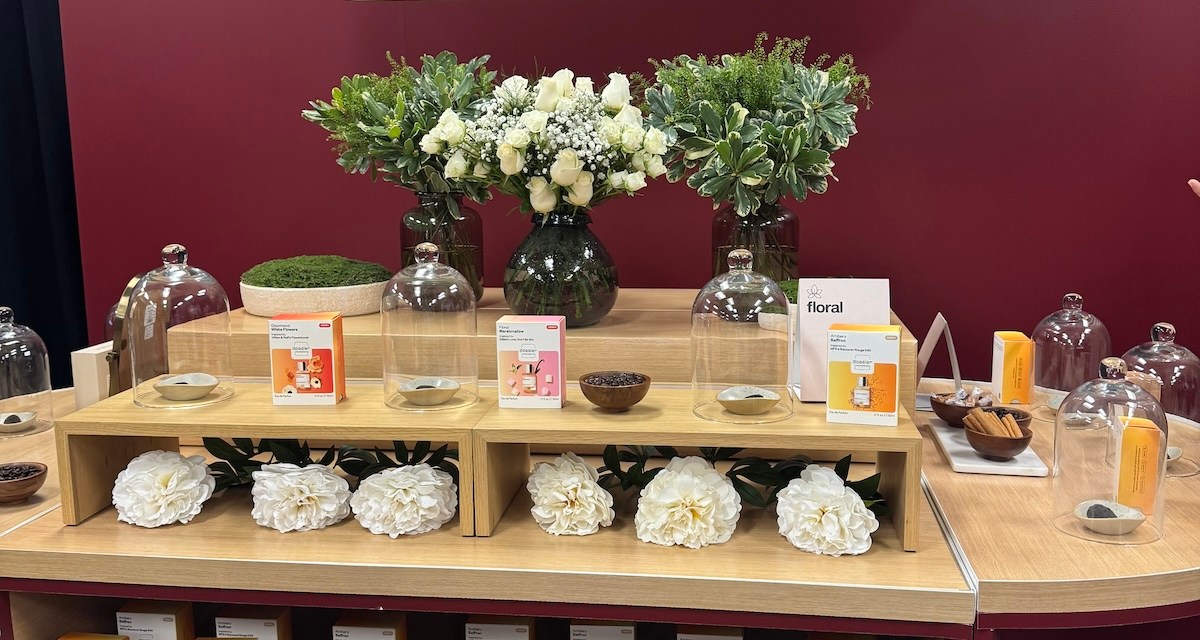
Beauty has “been one of the strongest growth engines for Target, delivering over a decade of consistent growth,” said Amanda Nusz, senior vice president of merchandising, essentials and beauty — but the section is still getting a refresh as Ulta shop-in-shops phase out. In August, Target will pilot a new “beauty studio” in select stores, a moniker that will be used in-store and online to refer to Target’s platform for prestige brands. There will be “enhanced service,” Nusz said, as well as more of an opportunity for customers to trial products and a distinct loyalty program. She showed off a mock-up of how this may look in the fragrance category, as one example.
The food business also grew last year, and Target’s owned brand Good & Gather is now the largest owned brand in Target’s whole portfolio, on track to be its first $4 billion brand. But the company still thinks it can grab more market share, especially in fresh food. John Conlin, senior vice president of food and beverage, said he wants grocery to increasingly be the reason why someone shops at Target, not just something they pick up while in Target. To that end, the company is making fresh food more prominent in stores, especially in new locations. It’s also working to increase the number of unique items in its assortment.
In its “Fun 101” area, which includes everything from sports merchandise to games to trading cards to electronics, the company is in the middle of a multi-year reinvention to emphasize a “more immersive, trend-focused approach.” It’s also de-emphasizing more expensive products, like laptops in stores — though those will still be available online — in favor of more affordable items.
During many of its investor day presentations, Target leaders led with blunt, succinct lines about how the company has fallen short in merchandising in recent years. Cara Sylvester, executive vice president and chief merchandising officer, said the company had lost clarity and discipline.
But executives also tried to make the case that Target is returning to its roots and taking a reinvigorated approach to the areas where it has historically been strong. Multiple leaders remarked about areas where Target has a “right to win.”
“Being at the forefront of style and trend is so critical to who we are,” Lisa Roath, executive vice president and chief operating officer, said during a panel.
Merchandising isn’t the only area in which Target is undergoing a refresh — Target executives also talked about how it is investing in the store experience and redesigning its app to encourage shoppers to use it more in stores. But, as Fiddelke acknowledged, merchandise is one of the areas that is most critical to the shopper experience. “Delighting our guests always starts with product,” he said.
Mitchell Parton contributed reporting.
This story has been updated to correct the spelling of Gena Fox’s name.