


What’s driving a wave of planned store openings in 2026
While last year saw the collapse of chains like Joann and Rite Aid, 2026 is expected to be a brighter year in retail as store openings accelerate.
Coresight Research estimates U.S. retailers will open about 5,500 new stores this year (up 4.4% year over year) and close about 7,900 stores (a 4.5% drop year over year), CNBC reported. Dollar General, Aldi, Tractor Supply, Barnes & Noble and Target, among others, are planning to open the most new stores in 2026, according to Coresight.
The companies opening stores this year reflect strengths in categories like discount apparel, discount grocery and specialty retail despite a challenging financial environment.
“We’ve been pointing to it for a few years; we think there’s this drift down from some center-ground, some middle-ground stores to discount,” John Mercer, head of global research for Coresight Research, said in an interview. “It isn’t just a short-term reaction to inflation. … We’ve seen kind of multi-year growth in those formats, in terms of consumer receptiveness to shop and also their physical real estate.”
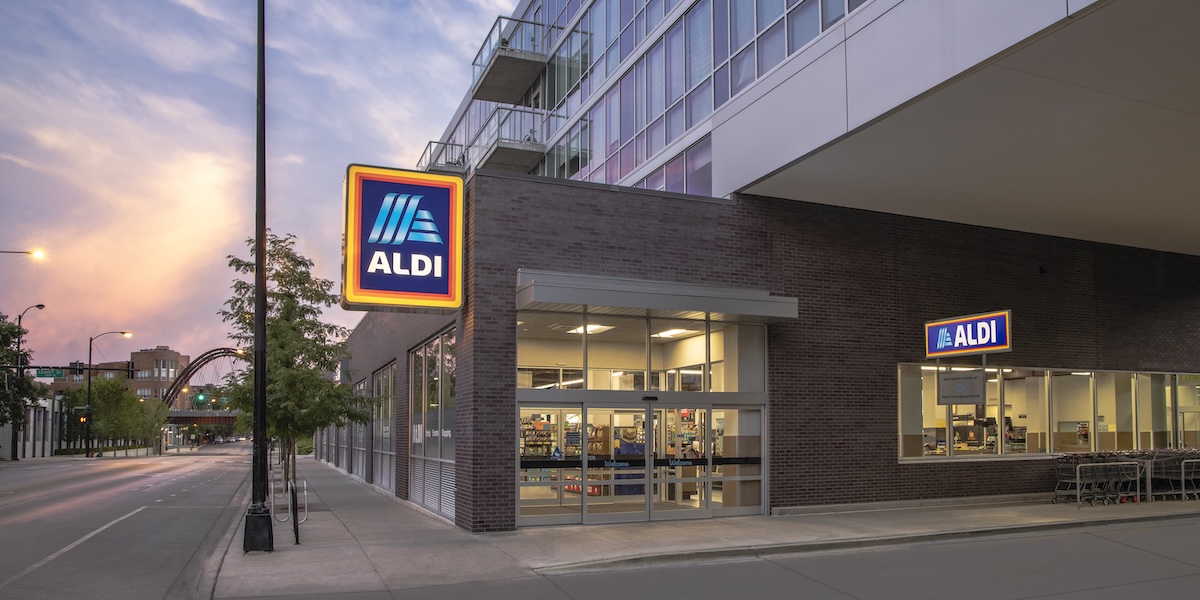
Aldi plans to open 180 new stores across 31 states this year, after opening almost 200 last year. Aldi U.S. chief operating officer Dave Rinaldo said the company thrives in any economic environment because nobody wants to pay more than they have to for quality groceries, and that its flexible footprint and ability to drive strong traffic make Aldi an attractive tenant for property owners.
“Aldi is resonating more than ever before, because our entire business model is built around creating value for shoppers,” Rinaldo said in a statement, adding that the chain attracted 17 million new customers in 2025. “Through strategies like a smaller store footprint and carefully curated selection of private label products, we create meaningful savings for our shoppers without sacrificing quality. That’s exactly what people are looking for right now.”
Target is leaning into larger footprints with most of its 30-plus new stores it plans to open this year. They include 148,000-square-foot stores in California, Delano, Missouri and North Carolina, larger than the chain’s average store size of 125,000 square feet.
The company has said its expansion helps it reach more consumers, physically and digitally, as its stores fulfill 95% of its online orders. While Target is in a quiet period ahead of its ahead of its March 3 financial earnings release, a spokesperson pointed Modern Retail to an existing statement from chief stores officer Adrienne Costanzo, stating that “These new stores give our teams the tools and environments to bring our merchandising strengths to life, create easier and more inspiring shopping experiences, and use technology to move smarter and faster every day. It’s how we keep growing thoughtfully, stay connected to our communities and make Target an even better place to shop.”
Tractor Supply plans to open about 100 new stores in 2026, alongside a small number of new Petsense locations, which is a pet supplies and services chain that Tractor Supply acquired in 2016. In 2025, the company opened 99 Tractor Supply stores and five Petsense stores. Mary Winn Pilkington, svp of investor relations and public relations for Tractor Supply, said in an email that the rural lifestyle retailer continues to gain share and grow because of recurring traffic and stable demand from sales of consumable, usable and edible products.
“Our model is anchored in needs-based demand,” Pilkington said. “While discretionary categories can fluctuate, livestock feed, pet food, animal care and property maintenance remain consistent drivers of traffic and sales.”
Barnes & Noble, meanwhile, is back in growth mode after a decade of falling sales and store closures. It has been under the leadership of CEO James Daunt, a U.K. bookseller, since 2019. Janine Flanigan, vp of store planning and design for Barnes & Noble, told Modern Retail that growth during Covid and book-related trends on TikTok helped the chain soar in the post-pandemic era.
“We’ve just buoyed from that success and just carried on from that in that we started to open more stores,” Flanigan said in an interview. “We opened more stores in places where people needed a bookstore; we opened stores in places where there used to be a bookstore.”
Barnes & Noble opened just under 65 stores last year and plans to open about the same number this year. Just since the start of 2026, the company opened new stores in Washington, D.C.; Katy, Texas; Strongsville, Ohio; and Port St. Lucie, Florida.
The company has more flexibility than it had when it was last opening many stores around 20 years ago. Flanigan said that, back then, the company limited itself to 25,000- to 28,000-square-foot spaces. Under Daunt’s leadership, the company shifted to a new model, in which stores can vary in size and featured categories can shift to reflect the demand of people in the community.
Flanigan said customers will still buy books and spend time in bookstores, despite a difficult consumer environment. Last year, the company told Modern Retail that sales were growing in the mid-single digits compared to 2021.
“If you’re with your kid in a bookstore, and the kid wants a book, how do you say no to a book?”
Update: This story has been updated to include an additional statement from Target.