


Will protein fatigue hit in 2026?
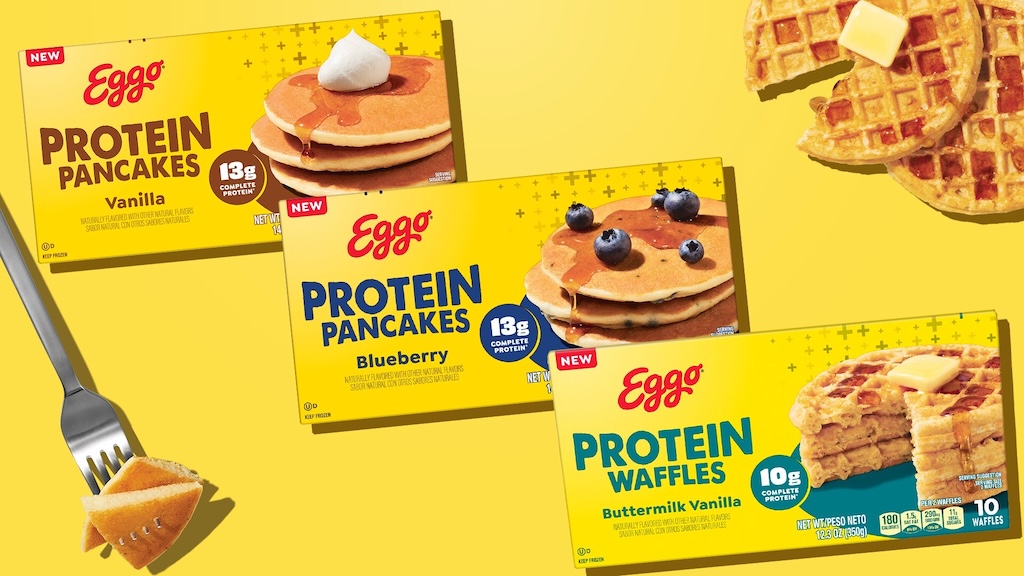
Just as big food makers like General Mills and PepsiCo are catching up to the high-protein trend with products like protein-packed Cheerios and Propel water, a sense of protein fatigue is setting in.
In 2025, a number of beloved American classics got injected with a dose of protein. Kellanova rolled out its line of protein Pop-Tarts in November, taking inspiration from challenger Legendary Foods, which helped popularize gluten-free and keto-friendly toaster pastries. The new Pop-Tarts offer 10 grams of protein per serving and come in flavors like strawberry, blueberry and brown sugar cinnamon. Not to be outdone, Doritos protein chips are coming to shelves in 2026.
From a sales perspective, there are few signs that protein mania is slowing down. But on social media, some brands and consumers are starting to poke fun at the onslaught of protein-filled products. Sweetgreen, for example, ran a social media campaign last year making fun of items like protein popcorn and protein cold foam, while calling out the amount of protein that Sweetgreen offers through “real nourishment.”
In turn, investors and founders say that, in 2026, they expect an increased focus in highlighting products that contain “real” or complete sources of protein, to cater to overwhelmed consumers.
Why protein-fortified snacks are thriving
Genevieve Gilbreath is the founding partner at Springdale Ventures, which has invested in high-protein products like Goodles and Khloud by Khloe Kardashian. Gilbreath said that as brands compete for wallet and stomach share, they are trying to settle on a long-term, sustainable strategy of fulfilling demand for more protein, including catering to the needs of GLP-1 medication users. “Because the snack foods that we were eating before were so vacant [of nutrients] and full of artificial flavors, we see that people want to get back to real food,” she said.
But the hyperfixation on one superfood or functional ingredient is also due to the nature of marketing, Gilbreath said. “Moderation tends to be boring,” she added. “It’s much more straightforward to tout all-things protein or all-things creatine.”
Gilbreath said that “protein fatigue” could also be due to the trend of optimizing every meal by stuffing it with the maximum amounts of macronutrients. As such, Gilbreath said many brands making better-for-you versions of “fun” foods can fall into a trap of focusing all their marketing on the nutritional value, like how many grams of protein per serving a product offers.
While many consumers want to maximize their nutritional intake, Gilbreath said they still want the product they reach for to spark joy or bring them comfort. “We’re seeing that messaging with brands like Goodles,” she said.
At the same time, other functional macros, like fiber, are also gaining steam and poised to dethrone protein as king of the better-for-you category.
When asked whether fiber-rich foods — like snacks and beverages — could be the next flash in the pan trend, Gilbreath said that’s less likely since fiber’s popularity is cyclical. Fiber’s benefits, such as improving digestion and promoting heart health, have been around since at least the 1990s. The need for higher fiber intake also tends to be emphasized for older people. But, thanks to health and wellness influencers and social media-driven brands like Olipop, Poppi and BelliWelli, fiber is gaining popularity among younger people. “I think fiber could be especially powerful if brands partnered it with protein,” Gilbreath said.
Indeed, CPG giants are already taking notice. On a recent earnings call, PepsiCo CEO Ramon Laguarta said that fiber could be “the next protein,” which the company plans to tap into with upcoming product innovation. “Consumers are starting to understand that fiber is a benefit they need,” Laguarta said. “It’s actually a deficiency in U.S. consumers’ diet, and that will be elevated.”
A case for ‘real’ protein sources
As high-protein products increase in popularity, health professionals have also encouraged consumers to interrogate the nutritional source of the proteins they’re consuming. High-protein snacks and desserts, for example, can also contain high levels of sugar and sodium.
So, some brands are starting to prepare for this world where average consumers are still interested in getting high levels of protein, but are also starting to inspect labels more closely.
Eugene Kang, CEO of Archer Jerky, believes overall interest in protein snacks will bring more people into alternative snacking segments. The meat stick and jerky category has been around for decades, for example, but Kang said companies like his are now competing more closely with better-for-you snacks overall. “And protein happens to be a naturally occurring attribute within the meat snack category,” Kang said.
Kang said that, historically, beef jerky was known as a trustworthy source of protein. To differentiate from mass market players in the space, Archer uses 100% grass-fed beef and antibiotic-free meats like turkey and pork. Offering a clean-label version of the beloved format helps position Archer as an alternative to the sea of sweet protein bars and salty chips.
Overall, Kang said the protein craze “has caused explosive growth for us in the past few years.” Archer is on track to grow about 90% year over year and is projected to generate over half a billion in sales over the next 12 months.
Even some packaged protein snack startups are trying to lean into the “real” protein source trend. One such startup is Wilde, whose chips are made with egg whites, chicken breast and bone broth. Each serving contains 10 grams of protein and five net carbs.
Wilde founder and CEO Jason Wright told Modern Retail that real, whole-food protein sources are set up for long-term growth. “I’ve always wanted to take our favorite snack and recreate it from whole foods,” Wright said. Next, the company is working on developing a tortilla chip and cracker.
Wright says being able to disclose that the protein content comes from “real ingredients” is a big differentiator, which Wilde will be leaning into in its marketing. Wilde markets its products as containing a complete source of protein, meaning it has all nine essential amino acids the body needs, which are primarily found in animal products like meat, fish and dairy. Some plant-based products, like soy, quinoa and hemp, also offer a complete protein source. However, categories like beans, nuts and grains — while still healthy — lack some of the needed amino acids on their own.
Gilbreath said she expects more companies to emphasize the type of protein they’re touting, especially as a way to stand out from a sea of snacks using pea and other plant-based protein sources. She said these types of products are likely to be the winners in the category long-term.
“We are seeing brands using real food as a protein source,” Gilbreath said. For example, Khloud uses a milk protein isolate, which the company claims is a complete protein, to dust its popcorn with seven grams of protein. “It’s still somewhat processed because it is a packaged snack, but the ingredient label is still pretty clean,” she said.