


Expect skinification to hit mass retail aisles in 2026
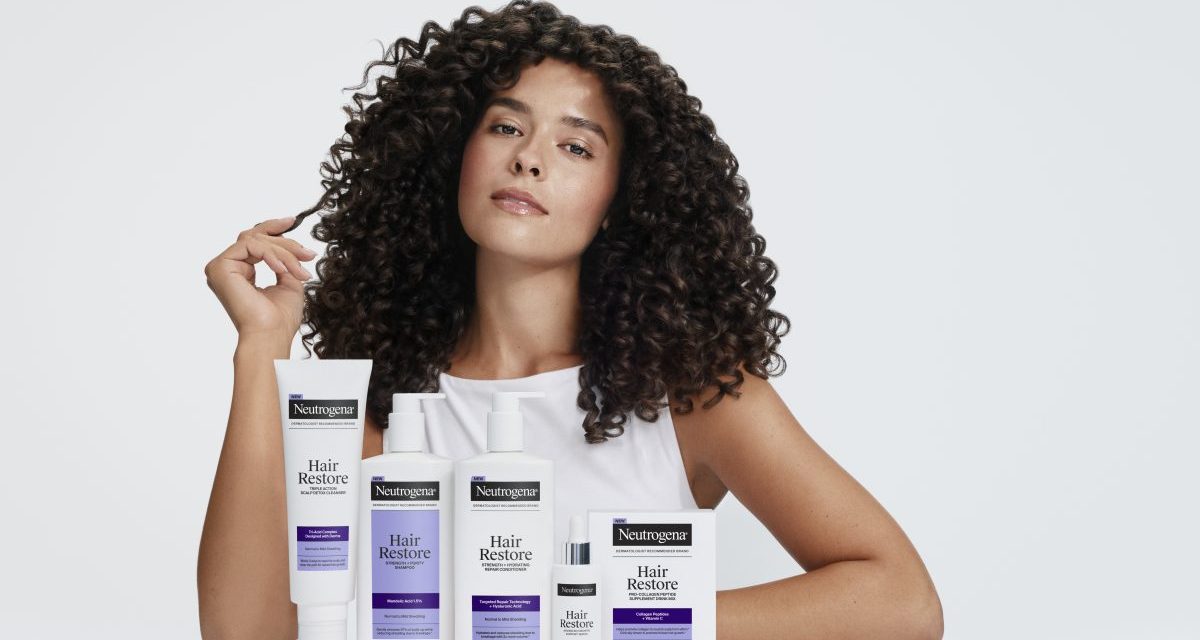
Skinification will play a bigger role in retail in 2026 as mass brands look to deliver skin-care-level ingredients and efficacy across categories like hair, body and oral hygiene.
The trend of skinifcation refers to taking principles from skin care and applying them to other categories. This includes putting chemical ingredients commonly found in skin care, like hyaluronic acid or niacinamide, into other products, or using more research-backed marketing claims that emphasize how a product may improve someone’s scalp or give their hair some extra strength.
Once a marker of higher-end products, skinification is now moving into mass retail as people become more ingredient-conscious and demand science-backed results. In November, Kenvue released the Neutrogena Hair Restore line and the OGX ProGrowth + Peptide line, both at Walmart. Both are set for nationwide retail launches in 2026.
“People have been talking about skinification of hair and scalp for the last 10 years. And it’s here now. When I talk to retailers and consumers, we’re at the actual precipice,” Jen Brady, U.S. head of hair care at Kenvue, said.
Some categories are more ripe for increased skinification than others. Circana found the scalp category as a whole is growing, up 19% year-over-year in the first half of 2025. Body-care brands have also leaned into skinification, with retinol-laced creams from companies like Naturium, Necessaries and Paula’s Choice. On the mass side, Unilever’s Dove and Lux Botanicals both put out advanced body-care formulas in 2024.
Beyond the products themselves — like a sunscreen that claims to sooth redness or a shampoo that promises hair growth — some of the biggest evidence of skinification shows up in expanded, specialized sections. Ulta, for instance, has its own category for scalp care that features products from prestige brands like Cécred, Briogeo and Bumble & Bumble. Sephora even has a dedicated category for skin-care makeup hybrid products from brands like Ilia, Bobbi Brown and Saie, which sell products like foundation with hyaluronic acid and blush balms with goji berry complex.
In fact, in beauty, skinification has essentially become table stakes. More than 50% of U.S. consumers seek products that combine makeup and skin care in one, according to Circana’s Makeup Consumer Report. That rises to about 60% among Gen Z and millennials.
Diana Melencio, general partner at the Brand Capital Fund at XRC Ventures, said skinification stems from consumer demand for products that meet specific needs, and overall ingredient literacy. Similar to how a new class of Sephora tweens now has seemingly encyclopedic knowledge of ingredients like vitamin C and niacinamide, people are asking about ingredient content in sectors like oral care, vitamins and supplements, she said.
“All of those things started to bubble a few years ago, and then really started to bubble this year,” Melencio said.
Some of the popularity stems from how people share and discuss products on social media. “People are getting educated on TikTok, and it’s a democratization of information, or misinformation,” Melencio said. “It’s no longer that you’re doing discovery on shelf or maybe talking to an associate. You’re actively being served, ‘Put this on your face, it’s better for you,’ or ‘99% of people reported better skin in 30-40 days,’ or whatever claims they make.”
But as with any product improvement, the skinification trend can also mean higher price points. An eight-ounce bottle of Dove’s Cream Serum formula with retinol, niacinamide and collagen peptides is around $9.99 at Target, while a much larger 30.6-ounce bottle of its traditional Deep Moisture formula goes for nearly the same price, at $10.99. Shampoos, conditioners and serums in the new Neutrogena and OGX lines retail for around $8-$12, while the Neutrogena line also sports a 20-pack hair growth supplement for $20.
“Some of it is the ingredient cost itself, but so much of it is the marketing and branding that supports that price,” Melencio said. “Ultimately, it’s the value you’re providing to consumers: Does it actually do what it claims to do?”
For Kenvue, the shift leads to a broader bet that clinical hair care is no longer niche. But Kenvue’s Brady said the goal with the new Neutrogena and OGX lines was to address the white space of women’s hair loss with an affordable, mass strategy. Kenvue’s research shows about 87% of women deal with hair loss, but just 25% are addressing it. And less than one in five of that group is happy with the results, Brady said.
“I’ve been out at every single retailer in the past two years multiple times, and we do not start a conversation without saying that there is no brand that is providing a holistic solution for hair thinning to hair regrowth,” she said. “And when you think about what’s out there, it’s at very high price points, or they’re supplements that are hard to swallow and very expensive. And so, that was the white space we set out to solve.”
To develop the products, Kenvue worked with its in-house dermatologists and hair and scalp specialists called trichologists. Jason Roark, senior director of category excellence at Kenvue, said the company’s scientific backbone can help democratize advanced hair and scalp care as shoppers start seeking more specific products — Kenvue is also the parent company of Rogaine and has about 35 years of research into scalp care to deploy.
But more broadly, he said the skinification of other categories stems from consumers looking for “more trusted guidance.” Scientific claims and research help provide an authoritative point of view that tends to cut through the noise, he said.
“Neutrogena and OGX are both very centered around meeting real unmet needs at an affordable price point,” he said. “One thing that we feel helps us stand out going forward with skinification — or whatever you want to call it — is that it shouldn’t be reserved just for the prestige or luxury brands.”